Blue light glasses can actually help reduce eye strain caused by prolonged screen time. They work by filtering out blue light and minimizing glare, which can make your eyes feel less tired and lessen headaches during long stretches of device use. While they won’t fix underlying eye issues, they are a simple way to promote more comfortable digital habits. If you want to understand how to maximize their benefits and protect your eyes better, keep exploring this topic.
Key Takeaways
- Blue light glasses can reduce eye discomfort and fatigue during extended screen use.
- They help minimize glare and brightness, alleviating symptoms of digital eye strain.
- Evidence suggests they provide short-term relief but do not prevent long-term eye damage.
- Combining blue light glasses with regular breaks and proper lighting enhances eye health.
- They are a simple, non-invasive tool to improve comfort during prolonged digital activities.

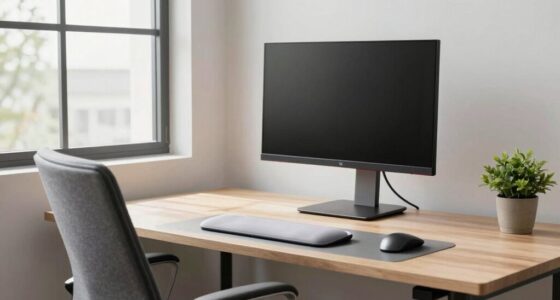
With the increasing use of digital devices, many people are turning to blue light glasses to protect their eyes. If you spend hours in front of screens each day, you’ve likely noticed eye discomfort, headaches, or blurred vision. These issues often stem from prolonged screen time, which exposes your eyes to blue light— a high-energy visible light emitted by computers, smartphones,, and tablets. While blue light is natural in sunlight, the intense and extended exposure from screens can sometimes lead to digital eye strain, also called computer vision syndrome.
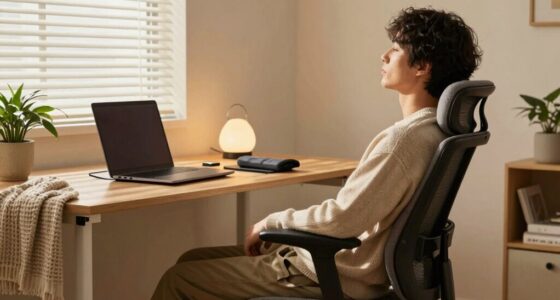
Blue light glasses aim to filter out or block a portion of blue light, reducing the strain on your eyes during long screen sessions. The idea is that by wearing these glasses, you can decrease flickering and glare, which are common contributors to eye fatigue. Many users report feeling less tired and experiencing fewer headaches after wearing blue light glasses for extended periods. This can be especially helpful if your daily routine involves multiple hours of work, gaming, or scrolling through social media.
However, it’s important to understand what blue light glasses can and can’t do. They might help reduce eye strain caused by screen glare and brightness, but they aren’t a cure-all for underlying eye health issues. If your eyes feel consistently dry, sore, or vision remains blurry even with blue light glasses, it’s wise to consult an eye care professional. Regular eye exams can detect whether other factors, such as uncorrected vision problems, are contributing to your discomfort.
You might wonder whether these glasses actually improve your eye health over the long term. While some studies suggest that blue light filters can ease immediate symptoms of eye strain, the evidence isn’t conclusive that they prevent long-term damage from blue light exposure. Nonetheless, if you spend significant time in front of screens, wearing blue light glasses can be a simple, non-invasive way to mitigate discomfort and promote better focus during your digital activities.
Incorporating blue light glasses into your daily routine is straightforward. Use them especially during your extended screen time, whether you’re working late or binge-watching shows. Remember, they are just part of a broader strategy to protect your eye health. Take regular breaks—follow the 20-20-20 rule (look at something 20 feet away for 20 seconds every 20 minutes)—and ensure your workspace is well-lit to reduce strain. Combining these habits with blue light glasses can make a noticeable difference, helping you feel more comfortable and less fatigued after long hours staring at screens.
Additionally, understanding the effects of blue light on your eyes can help you make informed choices about your digital habits.

Oilway Blue-Light Blocking Glasses Computer Reading/Gaming/TV/Phones Glasses Fashion Anti Eyestrain Glasses for Women Men
【Anti-Glare Blue Light Glasses】- Anti blue light glasses can effectively help you block harmful blue light from computer/phone/TV…
As an affiliate, we earn on qualifying purchases.
As an affiliate, we earn on qualifying purchases.
Frequently Asked Questions
Can Blue Light Glasses Improve Sleep Quality?
Yes, blue light glasses can improve your sleep quality by helping regulate melatonin production. When you wear them in the evening, they block blue light emitted by screens, which can disrupt your natural sleep cycle. By reducing blue light exposure, you support better sleep improvement and melatonin regulation, making it easier to fall asleep and enjoy restful nights. Wearing these glasses consistently can positively impact your overall sleep health.
Are Blue Light Glasses Effective for Children?
Blue light glasses can be effective for children, especially if they spend a lot of time on screens. Look for options with child safety in mind, making sure they’re durable and comfortable. Many brands offer prescription options, which can help children with vision needs. While these glasses may reduce eye strain, always consult an eye care professional to ensure they’re appropriate and safe for your child’s specific needs.
Do Blue Light Glasses Work for Digital Eye Strain?
Yes, blue light glasses can help with digital eye strain. They block part of the blue light spectrum emitted by screens, which reduces eye fatigue and discomfort. When you wear them, you might notice less eye strain after long screen sessions. While they don’t eliminate all issues, these glasses support your eye health by minimizing blue light exposure, making your digital experience more comfortable and less tiring.
How Do Blue Light Glasses Compare to Screen Filters?
Imagine you’re working long hours and notice eye discomfort. Blue light glasses with lens tinting can be more effective than screen filters because they directly block or absorb blue light, reducing eye strain. Unlike simple screen filters, which only cover your device, these glasses are worn all day and can serve as fashion accessories. They provide consistent protection, making them a practical choice for those seeking relief from digital eye strain.
Are There Any Side Effects From Wearing Blue Light Glasses?
Wearing blue light glasses generally doesn’t cause serious side effects, but you should be aware of potential health risks and long-term effects. Some people might experience eye discomfort or headaches if the glasses don’t fit well. Long-term use could possibly affect your natural sleep cycle or cause eye strain if they’re not effective. Always choose quality glasses and consult an eye care professional to minimize risks and confirm they’re right for you.

logclub Blue Light Glasses For Men & Women – Anti Glare Computer Blue Light Blocking Glasses with UV Protection for Gaming(Black)
HIGH QUALITY BLUE LIGHT GLASSES: UV400 Blue light blocking glasses are specially designed eyewear that helps reduce exposure…
As an affiliate, we earn on qualifying purchases.
As an affiliate, we earn on qualifying purchases.
Conclusion
Think of blue light glasses as a cozy umbrella on a cloudy day—they might not block every drop, but they can make you feel more comfortable under the storm. While evidence on their effectiveness is mixed, many users find relief from eye strain and digital fatigue. If you spend hours staring at screens, trying them out could be worth a shot. After all, shielding your eyes is like giving them a little extra armor against the digital deluge.
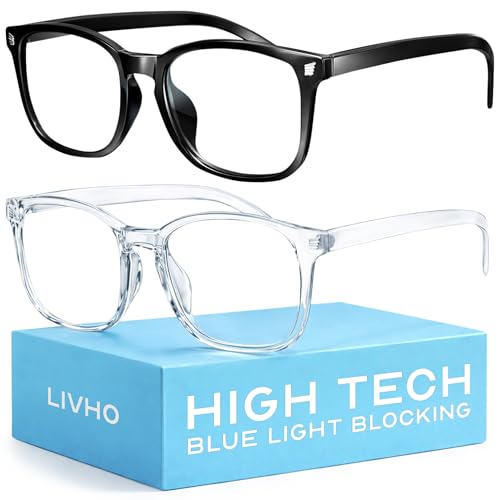
livho High Tech Blue Light Glasses – Advanced Blue Light Blocking Computer Glasses – Screen Fatigue & UV Protection
Elevate your screen time comfort with these stylish women's/men's eyewear frame blue light blocking glasses, designed to reduce…
As an affiliate, we earn on qualifying purchases.
As an affiliate, we earn on qualifying purchases.

Gaoye Eyewear Frames for Men – Blue Light Blocking Square Glasses, Anti UV Ray Computer Gaming, Blue Blockers for Women
BLUE LIGHT BLOCKING GLASSES: Our blue light glasses for women boast UV400 protection, blocking harmful blue rays from…
As an affiliate, we earn on qualifying purchases.
As an affiliate, we earn on qualifying purchases.