TL;DR

Get comfort and recovery gear delivered free with Prime
- Fast, free delivery on millions of items
- Prime Video, Amazon Music and more included
- Member-only deals all year
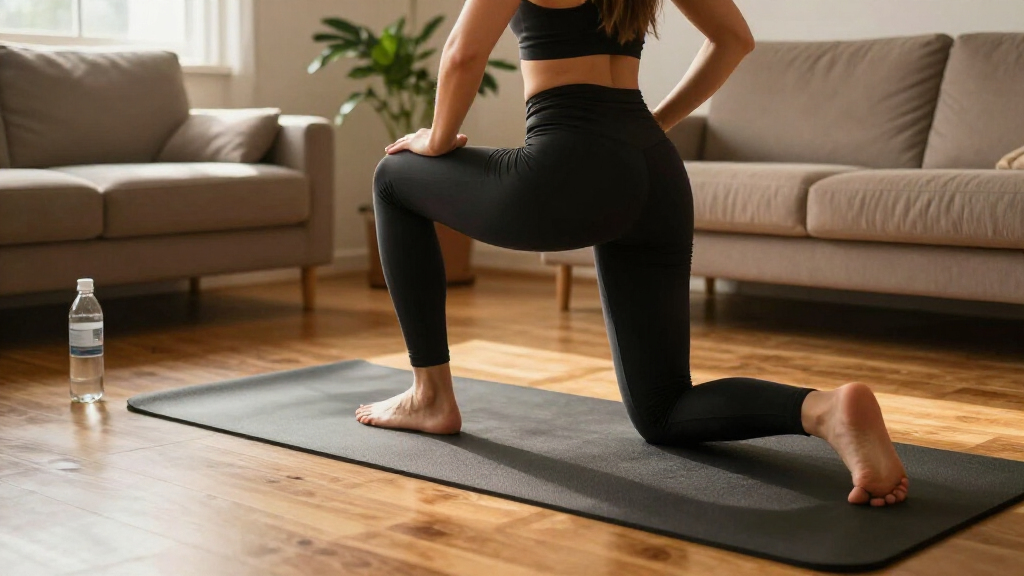
Fit&Well has published a 15-minute, equipment-free lower-body circuit built around squats, reverse lunges, glute bridges and lateral lunges. Its report recommends that beginners start with three rounds, use extra rest as needed and seek guidance on form or modifications.
Fit&Well has published a 15-minute, equipment-free leg workout that readers can do at home using four bodyweight movements: squats, reverse lunges, glute bridges and lateral lunges. The report describes a timed circuit and advises beginners to start with fewer rounds and take more rest, rather than treating the 15-minute version as a required starting point.
The routine is set up as a 30-second interval for each exercise, followed by a one-minute rest after completing the full sequence. The report says five circuits take about 15 minutes. It does not specify a required number of repetitions during each interval; participants repeat each movement at a controlled pace for the allotted time.
For the squat, stand with feet about hip-width apart, lower by bending the hips and knees, and return to standing. The instructions say to keep the chest upright and feet planted. In a reverse lunge, step one foot back, bend both knees within a comfortable range, return to the start and alternate sides. The report advises keeping the front knee aligned with the middle of the foot and using a chair or other stable support if balance is a concern.
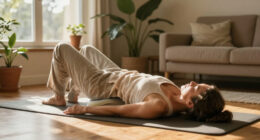
The floor-based glute bridge begins on the back with knees bent and feet flat. Lift the hips by squeezing the glutes, then lower under control; the report cautions against arching the lower back or letting the knees fall inward. For the lateral lunge, step to one side, bend that knee while keeping the other leg straight, then push back to standing and switch sides. The report calls for toes to point forward and the torso to remain upright.
A Short Routine With Flexible Pacing
The format offers readers a short workout that requires no equipment, which may be useful when they cannot get to a gym or have limited time. The movements work through several lower-body patterns: squatting, stepping backward, extending the hips from the floor and moving laterally. The article presents these as a practical home circuit, not as a guarantee of specific strength or fitness results.
The suggested adjustments also make clear that the advertised duration is not a fixed requirement for everyone. Fit&Well recommends that beginners complete three circuits with additional rest between exercises, then gradually reduce rest or add rounds as they become more conditioned. Readers can work within a comfortable range of motion rather than forcing depth, particularly during lunges.
That flexibility matters because bodyweight movements can still be challenging for people new to exercise or those with balance limitations. The report advises beginners to consult a personal trainer for instruction and modifications. It also says to stop if sharp pain occurs and speak with a doctor. These cautions help distinguish ordinary effort from a reason to pause, though they do not replace individualized medical or fitness advice.
Products Worth Considering

Shark AI Ultra Robot Vacuum with Self-Empty Base

Dyson Big Ball Multi Floor Canister Vacuum, Yellow

Bose SoundLink Flex Bluetooth Speaker (2nd Gen), Portable Waterproof Speaker, Black
As an affiliate, we earn on qualifying purchases.
How the Four-Move Circuit Works
The supplied Fit&Well report frames the circuit as an at-home option for days when a gym visit is not practical. Its central structure is simple: four exercises, 30 seconds each, followed by one minute of rest after a complete round. Five rounds are presented as the route to a 15-minute session, while three rounds are suggested as a starting point for beginners.
The instructions include form cues rather than equipment or performance targets. They recommend keeping the back straight during lunges, avoiding inward knee movement during bridges and maintaining planted feet in squats. For people who need support, the report specifically mentions holding a solid chair or structure during reverse lunges. It also suggests doing glute bridges on a bed or couch if getting down to the floor is difficult.
The report does not provide an independently tested assessment of the workout, participant outcomes or a comparison with other routines. Its claims about building the lower body are presented as the purpose of the workout, not as measured results. The available source is an exercise guide, rather than a study of the circuit’s effectiveness.
“All you’ll need to do the routine is a little bit of space to move—no equipment required.”
— Fit&Well report
No Outcome Data or Publication Date
The supplied source does not give a publication date, so the precise timing of the report cannot be established from the material provided. It also includes no clinical or trial data showing how much strength or muscle participants might gain, how quickly changes could occur, or how the circuit compares with other training plans.
The instructions do not set individualized weights, repetition goals, or adaptations for particular injuries or health conditions. The report says beginners may find the exercises challenging and recommends professional help with form and modifications, but it does not provide a complete screening process. Readers with existing health concerns or pain should seek advice suited to their circumstances before starting.
Start With Three Rounds
For readers following the report’s plan, the next step is to choose a clear space and begin with three rounds if they are new to exercise, resting between movements as needed. Each movement is timed for 30 seconds; the report does not require a particular repetition count. The suggested five-round format can be approached gradually, with rest reduced only as fitness and confidence improve.
During the circuit, readers should use the form cues, keep lunges within a comfortable range and use stable support if balance is difficult. Anyone who experiences sharp pain should stop and contact a doctor, as the report advises. The source provides no follow-up schedule or promised results, so progress is left to the individual rather than tied to a stated deadline.
Key Questions
What exercises are in the 15-minute leg workout?
The circuit includes squats, reverse lunges, glute bridges and lateral lunges. Each exercise is performed for 30 seconds before moving to the next.
How many rounds should a beginner do?
Fit&Well recommends that beginners start with three full circuits and add rest between exercises. It says participants can gradually build toward more rounds as their conditioning improves.
Does the routine require equipment?
No exercise equipment is required, according to the report. It says a small amount of open space is enough, although a stable chair or similar structure can provide support during reverse lunges if balance is an issue.
What should I do if an exercise causes pain?
The report says to stop immediately if sharp pain occurs and speak with a doctor. People with health concerns or difficulty performing the movements may also seek individualized guidance from a qualified professional.
Source: fitandwell.com