If you can’t have a dedicated home office, focus on creating a versatile, ergonomic space with adjustable furniture like sit-stand desks and supportive chairs. Use natural light or portable lamps to prevent eye strain, and keep your area organized with storage solutions. Add personal touches like plants or artwork to boost motivation and comfort. Prioritize flexibility and ergonomics to make your setup functional and inviting. Discover more ways to optimize your temporary workspace below.

Get comfort and recovery gear delivered free — and shop member deals
- Fast, free delivery on millions of items
- Access to Prime Big Deal Days deals on October 6–7
- Prime Video, Amazon Music and more included
Key Takeaways
- Use portable, foldable furniture like desks and chairs to maximize flexibility in small or temporary spaces.
- Optimize lighting with natural sources and adjustable LED lamps to reduce eye strain and enhance focus.
- Incorporate ergonomic accessories such as supportive cushions, adjustable chairs, and ergonomic keyboards for comfort.
- Organize supplies with stackable bins and mobile carts to keep your workspace tidy and adaptable.
- Personalize your setup with plants or artwork to boost mood and motivation in makeshift work environments.

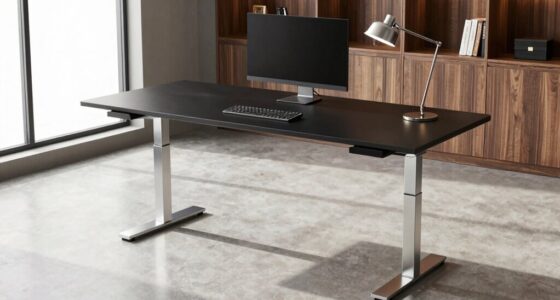
Are you looking for practical ways to create a functional home office without committing to a permanent setup? If so, you’re not alone. Many people find themselves needing a temporary workspace that’s both efficient and comfortable. The key is to maximize the space you have while ensuring it supports productivity and well-being. One of the first steps is to focus on ergonomic accessories. These are essential because they help you maintain proper posture and reduce strain during long work sessions. A good ergonomic chair can make a big difference, especially if you’re working from a spot that isn’t your usual desk. Look for a chair with adjustable height and lumbar support to keep your back supported. Pair it with a sit-stand desk converter or a sturdy table at the right height, so you can switch positions throughout the day. An ergonomic keyboard and mouse also reduce wrist fatigue, making your setup more comfortable.
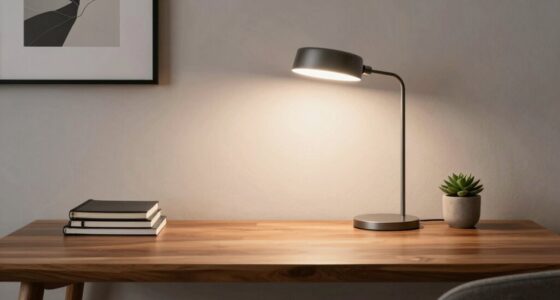
Lighting solutions are equally important when creating a temporary home office. Poor lighting can cause eye strain and fatigue, so it’s worth investing in options that brighten your workspace effectively. Natural light is ideal, so if possible, position your setup near a window. If that’s not an option, consider portable LED desk lamps with adjustable brightness. These allow you to customize the light intensity, which is especially helpful during cloudy days or late-night work sessions. For added comfort, choose lighting that minimizes glare on your screen and reduces flickering. Some lighting solutions even come with color temperature controls, letting you shift from cool to warm tones depending on your mood or the task at hand. Additionally, incorporating ergonomic principles into your setup can help prevent discomfort and support better posture during long hours.
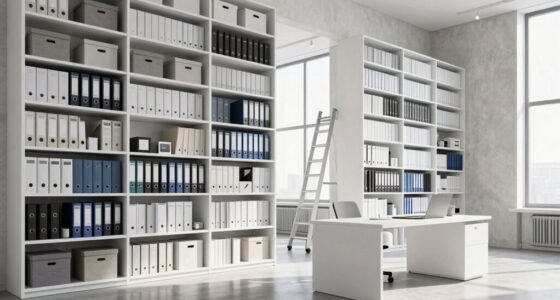
When setting up your temporary office, think about versatility. Use a foldable table or a portable desk that can easily be packed away or moved to different locations. Stackable storage bins or carts help keep your supplies organized without taking up much space. Also, consider a comfortable, supportive seat cushion if your chair isn’t ideal for long hours. To further optimize your workspace, add a few personal touches—like a small plant or inspiring artwork—that boost your mood and motivation.
Ultimately, creating a temporary home office is about making the most of limited space while prioritizing your comfort and productivity. By choosing ergonomic accessories and lighting solutions carefully, you can craft a setup that feels both functional and inviting. This way, you’ll be able to work efficiently without sacrificing your health or well-being, even if your workspace is only temporary.
Frequently Asked Questions
How Can I Improve Wi-Fi in a Temporary Workspace?
To improve Wi-Fi in your temporary workspace, start by placing Wi-Fi boosters or signal extenders near your device and router. These devices amplify your signal, reducing dead zones and increasing speed. Keep your router elevated and free from obstructions. Also, consider switching to a less congested Wi-Fi channel and minimizing interference from other electronics. These simple steps will boost your connection quality and keep your work seamless.
What Ergonomic Solutions Are Best for Small or Shared Areas?
In small or shared areas, you should prioritize ergonomic chairs that support your posture and adjustable desks to customize your workspace height. These solutions help prevent discomfort and improve productivity. Use cushions or lumbar support for added comfort, and position your monitor at eye level. Keep your workspace organized to maximize space, and consider portable accessories like laptop stands or foldable desks to adapt easily to different environments.
How Do I Minimize Distractions in a Temporary Setup?
Think of your workspace as a lighthouse, guiding your focus through stormy distractions. To minimize interruptions, use soundproofing tips like rugs, curtains, or DIY panels to block noise. Enhance lighting with adjustable lamps or natural light to keep your environment bright and inviting. Keep your space organized, designate specific zones, and communicate boundaries to others, ensuring your lighthouse stays steady amid the chaos.
What Are Budget-Friendly Options for a Temporary Office?
You can create a budget-friendly temporary office by using DIY decor, like repurposed furniture or creative wall art, to personalize your space. Add portable lighting, such as clip-on lamps or battery-operated LEDs, to improve visibility without extra cost. These options are easy to set up and remove, helping you stay organized and focused without breaking the bank. This way, your temporary workspace feels functional and comfortable.
How Can I Create a Professional Look in a Small Space?
To create a professional look in a small space, choose a cohesive color scheme with neutral tones and subtle accents. Incorporate professional decor like a sleek desk, organized storage, and minimal accessories. Keep clutter out of sight and add good lighting to enhance the space. You’ll look polished and focused, even in a tiny area, by maintaining a clean, stylish environment that reflects professionalism.
Conclusion
Even if you don’t have a dedicated space, you can create a functional home office. For instance, imagine transforming a corner of your living room with a small desk and good lighting—like Sarah did during her apartment renovation. She found that simple changes made her workday smoother and more comfortable. With a little creativity, you can turn any space into an efficient workspace that boosts your productivity and keeps you focused, no matter the limitations.
Fall Picks
fall essentials
As an affiliate, we earn on qualifying purchases.