
TL;DR
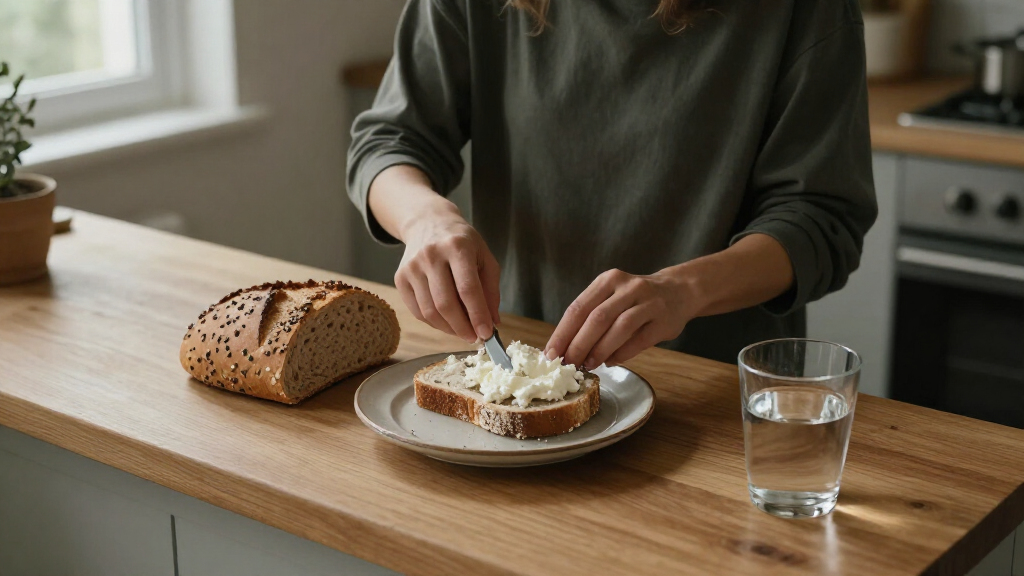
Nutritionist Rob Hobson shared a Nordic seed loaf recipe from his book, The Low Appetite Cookbook, in an interview with Fit&Well. Made with seeds, oats, nuts and psyllium husk, the loaf is presented as a nutrient-dense option for people who find it difficult to eat enough; the recipe itself does not provide a stated protein amount per serving.
Nutritionist Rob Hobson has shared a Nordic seed loaf recipe from his book, The Low Appetite Cookbook, for people who struggle to eat enough because their appetite has declined. The recipe combines seeds, oats, nuts and other ingredients in a loaf intended to offer a nutrient-dense option in smaller portions, while Hobson says sustained low intake can put muscle mass and overall nutrition at risk.

Get comfort and recovery gear delivered free with Prime
- Fast, free delivery on millions of items
- Prime Video, Amazon Music and more included
- Member-only deals all year
The recipe, reproduced by Fit&Well with permission from Hobson’s book, uses sunflower, pumpkin, flax, sesame and chia seeds, plus rolled oats, chopped hazelnuts or almonds, psyllium husk, salt, water, maple syrup or honey, and extra-virgin olive oil. The ingredient list gives no nutrition panel or protein amount per slice, so the source does not establish how much protein an individual serving provides.
To make the loaf, combine the dry ingredients and stir in the water, sweetener and oil. Transfer the thick mixture to a lined 20-by-10-centimeter loaf tin, press it down, then leave it to rest for at least two hours at room temperature or overnight in the refrigerator. Bake at 200°C conventional or 180°C fan for 25 minutes in the tin, then remove it and bake directly on the oven rack for another 20 to 25 minutes. Hobson’s instructions say to cool it fully before slicing.
Fit&Well reports that the finished loaf can be kept in an airtight container in the refrigerator for five days, or sliced and frozen for up to two months. The slices can be defrosted or toasted from frozen. Hobson describes the recipe as containing protein, fiber and healthy fats, but it is not presented as a treatment for low appetite or as a replacement for individualized medical or nutrition advice.
Why Small, Nutrient-Dense Portions Matter
Hobson’s central point is that nutritional needs do not disappear when hunger fades. The loaf offers one practical format for adding food in a compact portion, which may be more manageable for someone who finds larger meals difficult. Whether it suits a particular person will depend on their appetite, dietary needs and tolerance of its ingredients.
Hobson told Fit&Well that prolonged eating below the body’s needs can contribute to loss of muscle, fatigue and nutrient shortfalls. He said inadequate energy and protein intake may lead the body to break down muscle, with possible effects on strength, recovery and fall risk. These are his comments in the interview, not findings from a study of this particular bread recipe.
He also said low intake can affect concentration, mood and motivation, and that shortfalls in nutrients such as iron, B vitamins, magnesium and vitamin D may worsen some symptoms. The report does not give a clinical assessment of any individual reader or quantify how often these effects occur. Its practical relevance is the reminder that persistent difficulty eating enough can merit attention rather than being dismissed as a temporary inconvenience.
Products Worth Considering

Philips Hue Bridge Pro Smart Lighting Hub

Roborock Q7 M5+ Robot Vacuum and Mop with Self-Emptying Dock

Philips Hue Play HDMI Sync Box 4K
As an affiliate, we earn on qualifying purchases.
Hobson’s Advice on Reduced Appetite
Hobson told Fit&Well that low appetite can have several contributing factors, including illness, surgery, stress, depression, recovery and emotional strain. He also cited some medications, including GLP-1 weight-loss drugs, which can suppress hunger and slow digestion, and changes associated with ageing, such as altered taste and smell or slower digestion. He mentioned that hormonal changes around menopause may affect hunger and food tolerance.
The cookbook’s approach, as Hobson described it to Fit&Well, is to use smaller, nutrient-dense meals rather than relying only on bigger portions or rigid meal plans. The report does not assess the effectiveness of the book’s approach in a clinical trial. Its recipe is one example from the book, not a complete dietary plan.
Hobson also emphasized adequate protein and regular strength training when appetite is reduced, including during weight loss. Readers taking appetite-affecting medication or experiencing ongoing unintentional weight loss should seek advice from a qualified health professional rather than changing treatment or relying on a single recipe.
“Traditional nutrition advice doesn’t work when appetite is small.”
— Rob Hobson, speaking to Fit&Well
Serving Protein and Personal Suitability
The supplied report does not state the loaf’s protein, calorie or micronutrient content per slice, the number of servings, or the slice size. It therefore cannot support a precise estimate of how much protein someone would get from a portion or whether the loaf meets a person’s nutritional requirements.
The article also does not provide clinical evidence that this recipe improves appetite, prevents muscle loss or addresses any underlying cause of reduced hunger. The reasons for low appetite vary, and the report does not specify which readers the recipe may be unsuitable for. Persistent appetite loss, unexplained weight loss or difficulty meeting food needs should be discussed with a health professional.
Using the Recipe and Seeking Advice
Readers can follow the recipe as published, including the resting period that allows the chia and psyllium to absorb water and bind the ingredients. Hobson’s instructions call for two-stage baking and complete cooling before slicing; the loaf can then be refrigerated or frozen as described in the report.
Fit&Well’s report does not announce a follow-up study, product launch or further clinical assessment. For people whose low appetite is ongoing, the relevant next step is to discuss the change with a clinician or registered dietitian, particularly if it is accompanied by unintended weight loss, weakness or persistent fatigue. The source offers a recipe and general comments from Hobson, not an individualized care plan.
Key Questions
What is in the Nordic seed loaf?
The recipe includes five kinds of seeds—sunflower, pumpkin, flax, sesame and chia—along with oats, chopped hazelnuts or almonds, psyllium husk, salt, water, maple syrup or honey, and olive oil.
How long does the loaf take to bake?
After resting for at least two hours, bake it in the tin for 25 minutes at 200°C conventional or 180°C fan. Remove it from the tin and bake for another 20 to 25 minutes, then cool completely before slicing.
How much protein is in one slice?
The Fit&Well report does not provide a nutrition panel, serving count or protein amount per slice. The source describes the loaf as containing protein but does not establish a precise serving value.
How should the loaf be stored?
According to the recipe, keep it in an airtight container in the refrigerator for up to five days, or slice and freeze it for up to two months. Slices can be defrosted or toasted from frozen.
When should someone seek help for low appetite?
The report does not set a specific threshold. Persistent appetite loss, unintended weight loss or difficulty eating enough are reasons to seek advice from a qualified health professional, who can consider possible causes and personal nutritional needs.
Source: fitandwell.com