
TL;DR

Get comfort and recovery gear delivered free with Prime
- Fast, free delivery on millions of items
- Prime Video, Amazon Music and more included
- Member-only deals all year
Podiatrist Steven Thomas identifies plantar fasciitis, Achilles tendinopathy and toenail trauma as three common injuries among walkers and runners. He advises gradual training increases, recovery, calf strengthening and well-fitted footwear; persistent or worsening pain should be assessed by a clinician.
Podiatrist Steven Thomas says three injuries he commonly encounters among walkers and runners are plantar fasciitis, Achilles tendinopathy and toenail trauma. In a Fit&Well report, he describes signs to watch for and ways to reduce risk, including building activity gradually, allowing recovery and choosing footwear that fits securely.
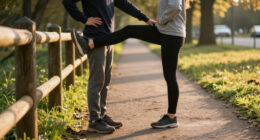
Plantar fasciitis commonly causes pain under the heel, according to Thomas. He says it can be worse when someone first stands after resting, ease after a few steps, then return after longer periods of walking, running or standing. His risk-reduction advice includes increasing mileage gradually and doing lower-leg strength and flexibility work. He recommends straight-knee and bent-knee calf raises two or three times a week, as well as comfortable, well-fitting shoes.
Achilles tendinopathy can cause pain at the back of the heel, either where the tendon attaches to the heel bone or along its middle section. Thomas says morning stiffness or tenderness is common, and the tendon may look thickened. Pain can ease during activity and return afterward or the next morning. He recommends progressively strengthening the calves, gentle calf stretching and avoiding abrupt increases in distance, speed or hill work. Sudden changes to substantially flatter or more minimalist shoes can also add load to the Achilles, he says.
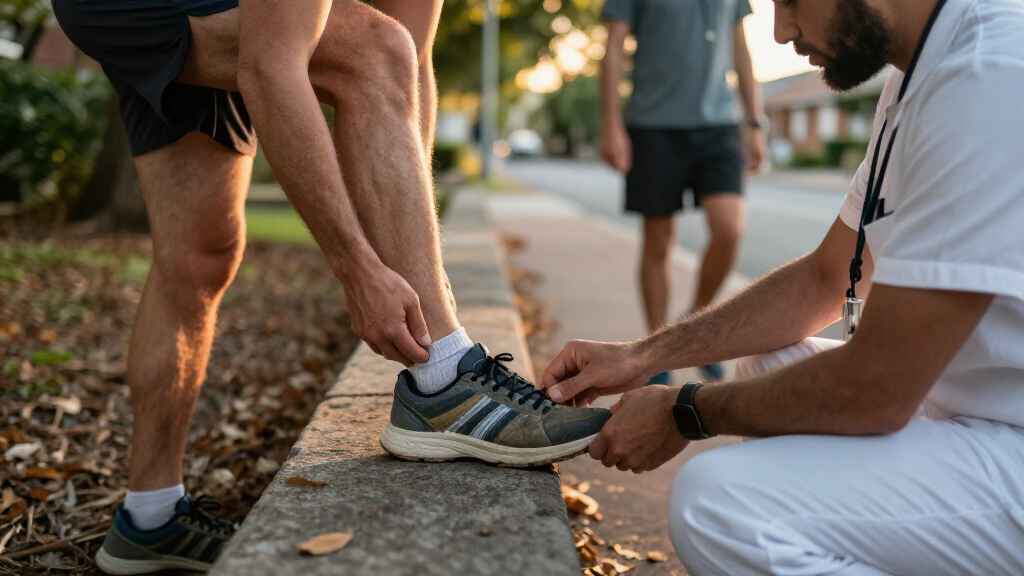
Toenail trauma may involve pain, throbbing or visible damage, including bruising beneath the nail, horizontal ridges, splitting or lifting. Thomas links the problem in many cases to poorly fitted running shoes. He advises leaving sufficient toe room while securing the heel and midfoot, keeping nails short and filed, using well-fitted moisture-wicking socks and testing the shoe-and-sock combination before a long outing. Feet can swell during activity, he says, a factor to account for when trying on shoes.
How Training Choices Affect Foot Injuries
The advice focuses on training load, recovery and fit rather than treating pain as something to push through. For people who walk or run regularly, early signs such as heel pain, morning tendon stiffness or nail bruising can signal that a routine, footwear choice or recovery schedule may need attention. Thomas says the body adapts to increased activity only when that increase is matched with sufficient recovery.
His recommendations are practical risk-reduction guidance, not a diagnosis or guarantee that injury can be prevented. The report does not establish how often these conditions occur across all walkers and runners, or compare injury rates between different training approaches. Readers with persistent symptoms may need an individual assessment rather than relying on general advice.
running shoes wide toe box secure heel fit
As an affiliate, we earn on qualifying purchases.
As an affiliate, we earn on qualifying purchases.
Recognizing the Three Injury Patterns
The Fit&Well article presents Thomas’s clinical observations and recommendations, rather than a new research study or injury-surveillance report. It identifies symptom patterns that can help readers decide when to pay attention: pain beneath the heel after rest for plantar fasciitis, stiffness or tenderness at the Achilles, and bruising or other changes to a toenail.
Thomas advises monitoring how symptoms behave during exercise, afterward and the following day. Pain that worsens over time, changes a person’s walking or running pattern, or does not settle between sessions may mean the current activity level is exceeding the body’s capacity. He cautions against aggressively forcing an arthritic joint through a painful range. If pain persists or affects ordinary walking, he recommends clinical assessment; an examination, gait analysis and sometimes a weight-bearing X-ray may help distinguish causes.
“The body adapts to increased activity, but only when the increase is matched by sufficient recovery.”
— Steven Thomas, podiatrist, as quoted by Fit&Well
moisture wicking running socks blister resistant
As an affiliate, we earn on qualifying purchases.
As an affiliate, we earn on qualifying purchases.
Limits of the Injury Advice
The supplied report does not provide injury-rate data, study methods or a comparison group, so it is not possible to tell from this material how common each condition is relative to others or how much any specific prevention measure changes risk. The phrase “most common” reflects Thomas’s experience in his clinic, as reported by Fit&Well, rather than a quantified ranking for all walkers and runners.
The article also does not give individualized guidance for people with existing foot or ankle conditions, nor does it specify how long a person should pause activity for each injury. Symptoms can have different causes, and the report says clinical assessment may be needed when pain persists or affects normal walking. The material supplied does not include a publication date.
calf raise slant board for calf and Achilles strengthening
As an affiliate, we earn on qualifying purchases.
As an affiliate, we earn on qualifying purchases.
When to Seek a Clinical Assessment
Thomas recommends not trying to walk or run through warning signs. People can track whether pain increases during activity, returns afterward or remains the next day, and whether it changes their gait. If symptoms worsen, fail to settle between sessions or begin to affect ordinary walking, he advises having them assessed by a clinician.
A clinical examination and gait analysis, and sometimes a weight-bearing X-ray, may be used to help distinguish the cause of foot pain and guide treatment, according to the report. The source does not announce a new study, policy or scheduled follow-up; its practical next step for readers is to adjust training when symptoms appear and seek assessment for persistent or function-limiting pain.
foot roller massage ball for plantar fasciitis
As an affiliate, we earn on qualifying purchases.
As an affiliate, we earn on qualifying purchases.
Key Questions
What three injuries does the podiatrist identify?
Steven Thomas names plantar fasciitis, Achilles tendinopathy and toenail trauma as injuries he commonly encounters among walkers and runners.
What symptoms may indicate plantar fasciitis?
Thomas describes pain under the heel that can be worse when standing after rest, ease after a few steps and return after longer periods of walking, running or standing. These symptoms do not by themselves confirm a diagnosis.
How can walkers and runners reduce injury risk?
The report recommends increasing activity gradually, allowing recovery, strengthening the calves and wearing comfortable footwear that fits well. Thomas also advises trying shoes and socks together before a long distance.
When should foot pain be assessed?
Thomas advises seeking clinical assessment if pain progressively worsens, changes how you walk or run, fails to settle between sessions or starts affecting normal walking.
Source: rss
Halloween Picks
halloween
As an affiliate, we earn on qualifying purchases.