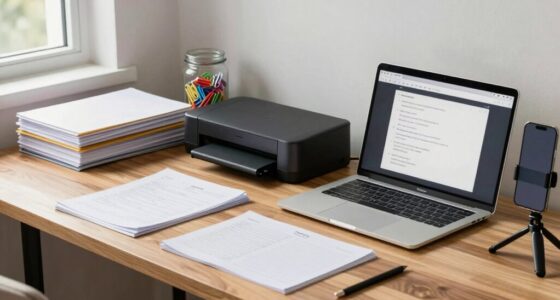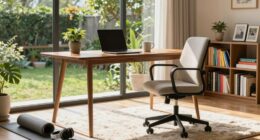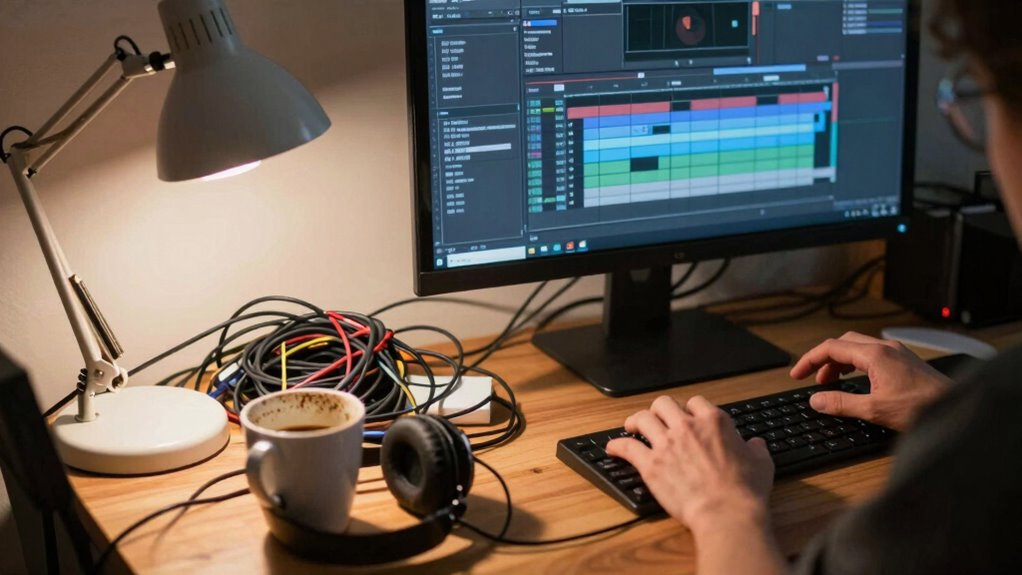

Start by pinpointing if the noise comes from outside or inside your space. If it’s external, focus on sealing gaps around windows and doors, or consider installing double-glazed windows. For internal noise, look at repositioning furniture, adding rugs, or installing acoustic panels to absorb sound. Prioritizing the main source helps you choose the most effective fix without wasting time. Keep exploring to discover proven strategies that help your environment stay quiet and focused.

Get comfort and recovery gear delivered free — and shop member deals
- Fast, free delivery on millions of items
- Access to Prime Big Deal Days deals on October 6–7
- Prime Video, Amazon Music and more included
Key Takeaways
- Identify whether external or internal noise sources are primarily disrupting your environment.
- Seal gaps around windows and doors to immediately block common noise leaks.
- Use noise-canceling headphones or earbuds to quickly reduce ambient sound.
- Rearrange furniture and add soft materials to absorb sound within the space.
- Implement layered solutions, combining physical barriers and soundproofing for maximum effect.
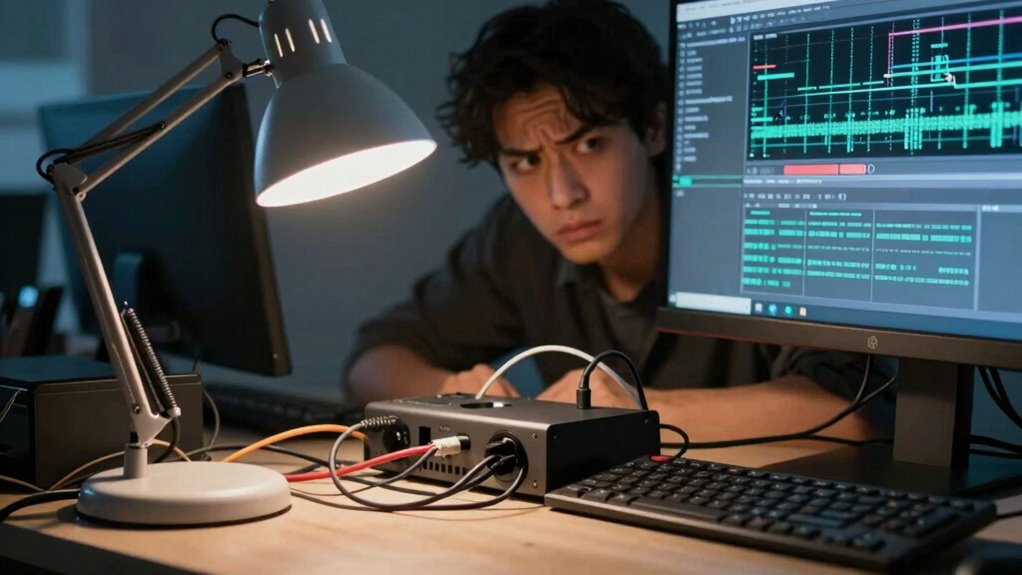
Ever find yourself unable to focus because persistent noise keeps breaking your flow? It’s frustrating, and it can seriously hinder your productivity. The good news is, you don’t have to live with constant disruptions. The first step is to identify where the noise is coming from and how best to reduce it. Soundproofing techniques are a powerful way to block out unwanted sounds. These methods include sealing gaps around windows and doors, adding weatherstripping, or installing acoustic panels. For example, thick curtains can dampen noise coming through windows, and rugs or carpets absorb sound within a room. If you’re dealing with external noise, consider installing double-glazed windows or using draft stoppers. By addressing the sources of noise directly, you create a calmer environment that’s more conducive to concentration. Additionally, understanding how sound travels and reflects in your space can help you choose the most effective soundproofing strategies. Recognizing how sound reflection impacts your environment allows you to target specific areas that amplify noise.
Identify noise sources and use soundproofing like curtains, rugs, and sealing gaps to create a focused environment.
In addition to physical soundproofing, noise canceling devices can considerably improve your ability to focus. Noise canceling headphones or earbuds actively reduce ambient sounds, so you’re less distracted by background noise. They work by generating sound waves that cancel out incoming noise, creating a more peaceful auditory space. When used correctly, these devices can make a huge difference, especially in noisy environments like cafes, open offices, or busy households. Combining soundproofing techniques with noise canceling devices offers a layered approach, amplifying the effects of both. For example, sealing windows and doors minimizes external noise, while noise canceling headphones block out residual sounds that still seep through.
You should also consider the layout of your space. Rearranging furniture can help absorb sound, especially if you place bookshelves or fabric-covered furniture near noise sources. Using soft materials and textiles in your room contributes to sound absorption, reducing echo and noise reflection. If noise persists from certain areas, you might need to make structural adjustments or add additional soundproof barriers. Soundproofing techniques can significantly improve the acoustic environment of your space by addressing how sound travels and reflects. It’s also beneficial to regularly assess and adapt your soundproofing setup as your needs and space change over time.
Ultimately, fixing noise issues isn’t about a single solution; it’s about combining strategies. Start with soundproofing techniques to block and reduce external noise, then complement that with noise canceling devices for the remaining disturbances. This approach allows you to regain control over your environment and restore your focus. Once you’ve minimized the noise, you’ll discover it’s much easier to stay engaged, work efficiently, and maintain your flow without constant interruptions. Taking these steps puts you in charge of your space, transforming a noisy environment into a peaceful haven for productivity.
double glazed windows for noise reduction
As an affiliate, we earn on qualifying purchases.
As an affiliate, we earn on qualifying purchases.
Frequently Asked Questions
How Do I Identify the Primary Source of Noise Disrupting My Workflow?
You should start by pinpointing the primary noise source through observation and elimination. Use soundproofing techniques like sealing gaps and installing acoustic panels to reduce persistent sounds. Noise canceling devices, such as headphones or white noise machines, can help identify whether external or internal noise is more disruptive. Once you recognize the main culprit, you can target your efforts effectively, creating a quieter environment that restores your focus and workflow.
Are There Quick Fixes to Reduce Noise Instantly?
Yes, you can implement quick fixes like using soundproofing techniques such as adding rugs, curtains, or draft stoppers to absorb sound. Noise cancellation headphones are an immediate solution, effectively blocking out distracting noise. These options are easy to apply and can instantly improve your focus. While not permanent, they give you a quick way to reduce noise and regain your flow without extensive renovations or adjustments.
What Tools Can Help Measure Noise Levels Accurately?
Did you know that using a decibel meter can improve your noise management by up to 60%? These tools, like digital sound level meters, help you compare noise levels accurately through noise level comparison features. They also perform sound frequency analysis, so you can identify specific problematic sounds. With these tools, you’ll pinpoint noise sources precisely, making it easier to implement effective fixes and restore your focus.
How Can I Communicate Noise Issues Effectively to Others?
You should practice respectful communication by clearly explaining how noise affects your focus and productivity. Use noise etiquette to set boundaries calmly, and suggest specific solutions if possible. When addressing others, stay polite and direct, emphasizing your need for a quieter environment. Sharing measurement data or examples can help illustrate your point. Consistent, respectful communication fosters understanding and encourages others to be mindful of noise levels, helping you regain your flow.
When Should I Consider Professional Help for Noise Problems?
You should consider professional help when noise persists despite trying noise cancellation and soundproofing techniques. If DIY methods don’t block disruptive sounds or if noise strongly impacts your health, concentration, or sleep, it’s time to consult experts. Professionals can assess your space, recommend advanced soundproofing solutions, and guarantee your environment stays quiet. Don’t wait until noise becomes a chronic issue—seek help early for effective, lasting peace and quiet.
acoustic panels for soundproofing
As an affiliate, we earn on qualifying purchases.
As an affiliate, we earn on qualifying purchases.
Conclusion
When noise shatters your focus, imagine your mind as a calm lake, disrupted by ripples. Fixing the source of the noise is like settling those ripples, restoring clarity and peace. Whether it’s a noisy environment or distracting chatter, addressing it first clears the way for your ideas to flow smoothly. With each fix, you’re gently guiding your mind back to still waters, ready to dive deep into your work without interruption.
As an affiliate, we earn on qualifying purchases.
As an affiliate, we earn on qualifying purchases.
Fall Picks
fall essentials
As an affiliate, we earn on qualifying purchases.