
To see if an active desk setup suits your work style, consider how often you benefit from movement and breaks. If you work on tasks that need creativity or collaboration, standing or moving might boost your focus. But if your work demands deep concentration, it could cause distractions. Think about your environment and ease of adjusting the setup. Exploring further can help you determine if this flexible approach supports your productivity and well-being.

Get comfort and recovery gear delivered free — and shop member deals
- Fast, free delivery on millions of items
- Access to Prime Big Deal Days deals on October 6–7
- Prime Video, Amazon Music and more included
Key Takeaways
- Assess if your tasks require deep focus or benefit from creative, movement-friendly environments.
- Consider your ability to manage potential distractions caused by physical activity.
- Evaluate if adjustable desks and ergonomic features align with your work habits and preferences.
- Reflect on how frequent movement breaks could improve your posture, energy, and overall comfort.
- Test different setups gradually to determine if active workstations enhance or hinder your productivity.
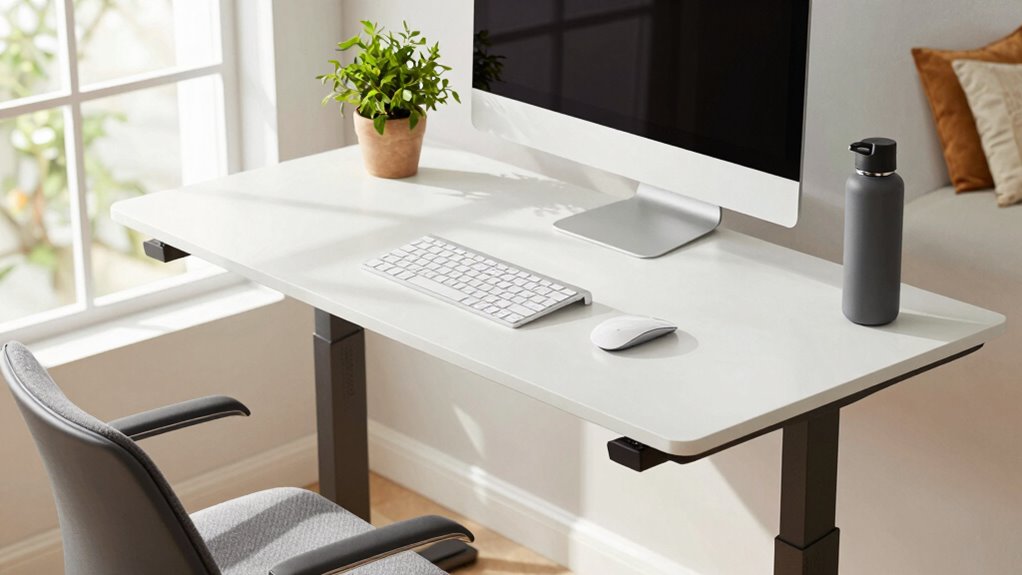
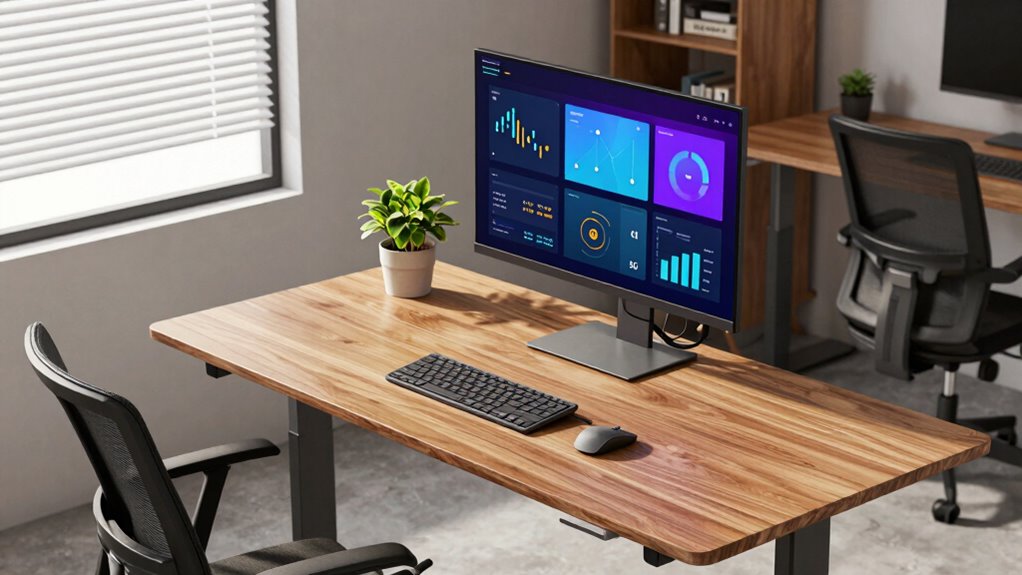
If you find yourself feeling sluggish or distracted at a traditional desk, an active desk setup might be worth contemplating. These setups are designed to promote movement and reduce the sedentary nature of typical office work. One of the key factors to weigh is the ergonomic benefits they offer. An active desk encourages you to shift, stretch, and engage different muscle groups, which can improve posture and reduce pain caused by long hours sitting still. Better ergonomics often translate to less discomfort and fatigue, helping you stay focused throughout your workday.
However, as you explore this option, it’s important to reflect on whether the potential distractions will outweigh the benefits. Active desks, such as sit-stand desks or balance boards, inherently demand some level of physical engagement, which can sometimes divert your attention away from tasks. If you tend to get easily distracted or struggle to refocus after interruptions, this setup might initially feel disruptive. On the other hand, if you’re someone who benefits from movement breaks or finds that static sitting worsens your concentration, an active desk could enhance your productivity.
You should also think about your daily workload and work style. If your tasks require intense focus, such as detailed writing or analysis, the slight disruptions from movement might be counterproductive. Conversely, if your work involves frequent meetings, brainstorming, or creative thinking, the flexibility of an active desk could energize your sessions and foster better ideas. Think about your typical day: do you often feel restless or stiff after long periods at your desk? If so, incorporating movement through an active desk could break up your routine and improve your overall comfort. Additionally, understanding the ergonomic benefits of such setups can help you make a more informed decision.
Another consideration is the setup’s adaptability to your environment. Some active desks are adjustable, allowing you to switch between sitting and standing, which can help you find an ideal balance. This flexibility can be especially beneficial if you’re prone to fatigue or discomfort from staying in one position too long. Yet, keep in mind that some features might require a learning curve to integrate smoothly into your workflow. If you’re someone who prefers a straightforward, minimal setup, the additional components or adjustments could initially feel cumbersome. Moreover, the cost of these setups and their long-term durability should also factor into your decision.
Furthermore, researching the long-term health impacts of active desks can provide additional insight into whether they support sustained well-being over time. Ultimately, deciding if an active desk fits your work style boils down to understanding your needs for ergonomic benefits versus your tolerance for potential distractions. If you’re motivated by movement and seek to combat the downsides of prolonged sitting, an active desk might be a perfect fit. But if your focus is paramount and you’re easily sidetracked, gradually testing an active setup could help you determine whether it enhances or hampers your productivity. Additionally, considering how pets or children can unexpectedly disrupt a photoshoot highlights how unforeseen factors can influence your environment and focus.
As an affiliate, we earn on qualifying purchases.
Frequently Asked Questions
Can an Active Desk Setup Improve Overall Productivity?
Yes, an active desk setup can boost your productivity. With ergonomic design and ergonomic accessories, you stay comfortable and focused longer. Moving often reduces fatigue and prevents stiffness, helping you stay alert. An adjustable desk encourages movement, making it easier to change positions throughout the day. This active approach minimizes discomfort and distractions, so you can concentrate better and complete tasks more efficiently.
What Are the Initial Costs Involved in Switching to an Active Desk?
Are you wondering about the initial costs of switching? You’ll need to budget for ergonomic accessories like adjustable desks, sit-stand converters, or supportive chairs. These upgrades can vary in price, so it’s essential to weigh your budget carefully. While some setups are affordable, others may require a bigger investment. Do your research to find options that balance quality and cost, ensuring your new active desk fits your financial plan.
How Much Space Is Required for an Active Desk Setup?
For an active desk setup, you’ll need enough space to accommodate ergonomic design and encourage movement frequency. Typically, you should allocate about 3 to 4 feet of width and 2 to 3 feet of depth on your desk for standing or dynamic seating options. This space allows you to switch positions comfortably, maintain good posture, and stay active throughout your workday. Make sure there’s enough room for your equipment and movement without feeling cramped.
Are There Specific Health Benefits Associated With Active Desks?
They say “health is wealth,” and active desks definitely boost your well-being. You gain ergonomic benefits by reducing strain and improving posture, which helps prevent injuries. Using an active desk keeps you moving, increasing circulation and energy levels throughout the day. This proactive approach not only promotes injury prevention but also enhances focus and productivity, making your workday healthier and more enjoyable.
Is an Active Desk Suitable for All Types of Work Environments?
An active desk can work in many work environments, but consider ergonomic adjustments and aesthetic considerations first. If your space allows for ergonomic setup and the design aligns with your office’s look, it’s likely suitable. However, in highly formal or minimalist spaces, it might stand out or disrupt the aesthetic. Assess your environment’s flexibility and your comfort with modifications to decide if an active desk fits your work style.
As an affiliate, we earn on qualifying purchases.
Conclusion
Ultimately, choosing an active desk setup means embracing movement, boosting focus, and enhancing comfort. It’s about aligning your workspace with your energy, your productivity, and your wellbeing. It’s about staying engaged, staying dynamic, and staying healthy. By matching your work style with your environment, you create a space that supports your goals and energizes your day. So, listen to your body, test your options, and make your workspace work for you.
As an affiliate, we earn on qualifying purchases.
desk cycle under desk exercise bike
As an affiliate, we earn on qualifying purchases.
As an affiliate, we earn on qualifying purchases.
Halloween Picks
halloween
As an affiliate, we earn on qualifying purchases.