Using a footrest helps you maintain proper posture by supporting your legs and keeping your pelvis in a neutral position, reducing strain on your lower back and hips. It encourages better blood flow in your legs, preventing swelling, numbness, and varicose veins. Plus, it boosts comfort and focus, making long sitting periods easier. Keep going to discover how selecting the right footrest can make a big difference for your health and workspace comfort.
Key Takeaways
- Footrests promote proper spinal alignment, reducing strain and supporting a natural sitting posture.
- They enhance circulation by encouraging blood flow in legs and preventing pooling.
- Using a footrest increases comfort, reducing fatigue and improving focus during long sitting periods.
- Footrests decrease pressure on knees and hips, preventing stiffness and joint discomfort.
- Adjustable footrests allow customization, promoting long-term musculoskeletal health and better posture.
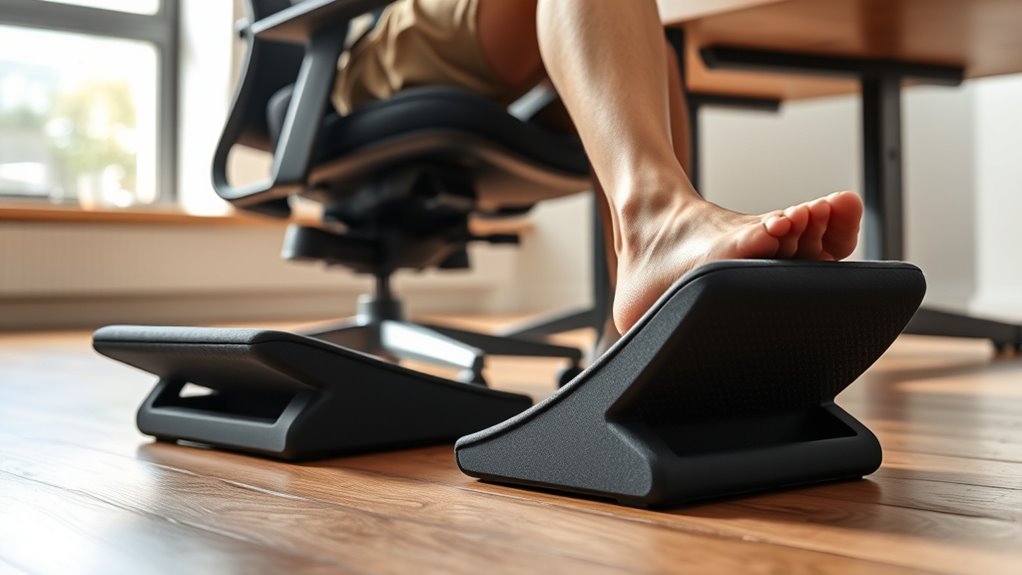
Using a footrest at your desk can make a notable difference in your comfort and health. When you sit for long periods, your posture often suffers, leading to discomfort and potential long-term issues. A footrest provides a simple yet effective solution that offers ergonomic benefits, helping you maintain proper alignment and reduce strain on your lower back and hips. By elevating your feet, you create a more natural sitting position that promotes better support for your spine. This adjustment helps prevent slouching and minimizes pressure on your lumbar region, which can lead to aches and fatigue over time. With a footrest, you’re more likely to keep your pelvis in a neutral position, supporting your overall posture and reducing muscular tension. Additionally, modern kitchen technology often emphasizes ergonomic design, highlighting the importance of supportive accessories like footrests in everyday environments. Beyond posture, a footrest considerably enhances circulation. When your feet are flat on the ground or dangling, blood flow can become restricted, especially if your legs are crossed or pressed against a hard surface. Elevating your feet slightly with a footrest encourages better circulation in your legs and lower extremities. Improved blood flow means less swelling, reduced risk of varicose veins, and decreased chances of developing numbness or tingling sensations during extended periods of sitting. The slight elevation provided by a footrest helps prevent blood from pooling in your lower limbs, which is common during prolonged sitting, and promotes healthier, more efficient circulation. Using a footrest also helps you stay alert and comfortable throughout your workday. When your legs are properly supported and your circulation is improved, you’re less likely to experience fatigue or discomfort that distracts you from your tasks. This can enhance your focus and productivity, making your work sessions more efficient. Additionally, the ergonomic benefits of using a footrest extend to reducing pressure on your knees and hips, preventing stiffness and discomfort that often accompany poor sitting habits. As your muscles and joints are better supported, you’re more likely to maintain good posture naturally, without the need for constant adjustments. Incorporating a footrest into your workspace isn’t just about comfort; it’s a proactive step toward better health. By choosing the right height and design, you can customize your setup to suit your body and preferences, ensuring maximum ergonomic benefits and circulation enhancement. Over time, these small adjustments can lead to considerable improvements in your overall well-being, making your sitting experience healthier and more comfortable. So, investing in a good footrest is a simple, effective way to support your body and promote better posture and circulation every day.

Lumbar Support Pillow for Office Chair, Office Home Essentials,Gifts for Mom,Dad, Back Support Pillow for Car, Chair Cushions,Back Pain Relief Improve Posture,Mesh Cover Double Adjustable Straps
- Extended Adjustable Straps: Fits more chairs securely
- Ergonomic Back Support: Relieves back pain and tightness
- Supports Proper Posture: Maintains natural spine curve
As an affiliate, we earn on qualifying purchases.
Frequently Asked Questions
Can Footrests Help With Lower Back Pain?
Yes, a footrest can help with lower back pain. It offers ergonomic benefits by promoting better posture and reducing strain on your lower back. By elevating your feet, you improve circulation, which decreases muscle tension and discomfort. Using a footrest regularly encourages proper alignment, helping you sit more comfortably and potentially alleviating lower back pain over time. It’s a simple way to support your overall spinal health during long sitting periods.
Are Footrests Suitable for All Types of Office Chairs?
Ever wonder if your office chair can truly benefit from a footrest? Yes, footrests are suitable for most office chairs, offering ergonomic benefits like improved posture and circulation. They come in various aesthetic options, so you can find one that matches your workspace style. Just make certain your chair has adjustable height and enough space underneath to accommodate the footrest for maximum comfort and support.
How Often Should I Adjust My Footrest During Work Hours?
You should modify your footrest every 30 to 60 minutes to maximize ergonomic benefits. Frequent adjustments help maintain proper posture, reduce strain, and improve circulation. Listen to your body—if you feel discomfort or your legs shift, it’s time to readjust. Regularly changing your footrest position ensures you stay comfortable and avoid long-term musculoskeletal issues, making your work session healthier and more productive.
Do Footrests Benefit People With Specific Medical Conditions?
Yes, footrests provide medical benefits for people with certain conditions, like arthritis or circulation issues. They help improve ergonomics by reducing pressure on your lower back and legs, which can alleviate pain and discomfort. Using a footrest encourages better posture and circulation, especially if you sit for long periods. Incorporating one into your workspace can make a noticeable difference in your comfort and overall health.
Can Footrests Prevent Long-Term Circulation Issues?
Yes, using a footrest can help prevent long-term circulation issues by promoting circulation improvement. When you elevate your feet with a footrest, it reduces pressure on your legs and improves blood flow, decreasing the risk of swelling and varicose veins. The footrest benefits extend beyond comfort, supporting healthier circulation over time and helping you maintain better overall leg health during long periods of sitting.

Samsonite Lumbar Support Pillow for Office Chair, Lower Back Support for Car, Back Pillow Desk Chair Cushion with Memory Foam, Improved Posture Backrest
- Contouring Memory Foam: Supports spine and maintains posture
- Adjustable Secure Fit: Fits office chairs and car seats
- Ventilated Mesh Cover: Enhances airflow and cooling
As an affiliate, we earn on qualifying purchases.
Conclusion
Using a footrest isn’t just about comfort—it’s about protecting your health. By improving your posture and boosting circulation, you reduce the risk of aches and long-term issues. Did you know that sitting with your feet properly supported can increase circulation by up to 15%? So, next time you’re at your desk, grab a footrest. Small adjustments like this can make a big difference in how you feel and stay healthy throughout the day.
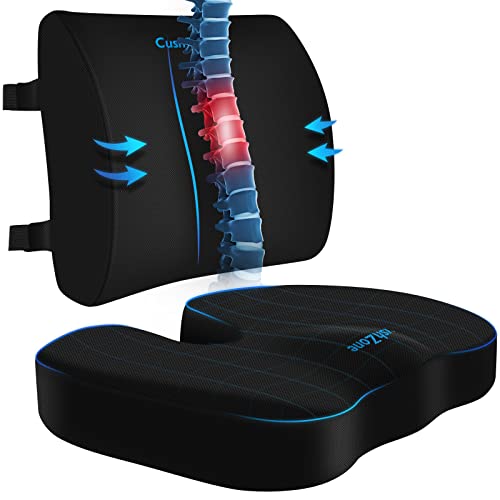
CushZone Seat Cushion and Lumbar Support Pillow for Office Chair, Black
- Ergonomic Dimensions for Comfort: Fits most chairs and users
- High-Quality Materials: Durable fabric with zippers
- Non-Slip Bottom: Ensures stability during use
As an affiliate, we earn on qualifying purchases.
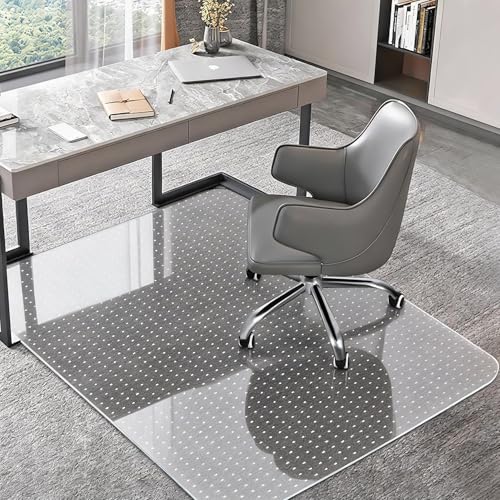
Office Chair Mat for Carpets, Clear Computer Desk Chair Mat for Low Carpeted Floors, Thick and Sturdy Carpet Protector, Easy Glide and Flat Without Curling (30" x 48" Rectangle)
- Carpet Floor Protection: Protects carpets from chair damage
- Thick and Durable: Made of 2.2mm premium PVC material
- Effective Grip: Studded underside for secure placement
As an affiliate, we earn on qualifying purchases.