When you work in a comfortable environment with ergonomic support, you naturally boost your productivity and focus. Proper furniture, good lighting, and posture support reduce physical strain and fatigue, allowing you to stay engaged longer. Investing in ergonomic solutions shows that your well-being matters, which can lift your mood and motivation. Keep exploring how these elements work together to help you perform at your best every day.
Key Takeaways
- Comfortable workers experience less fatigue and physical discomfort, enabling sustained focus and higher productivity levels.
- Ergonomic office design reduces physical strain, leading to fewer injuries and decreased absenteeism.
- Well-designed, comfortable environments boost employee morale and motivation, positively impacting work performance.
- Incorporating ergonomic solutions enhances focus and reduces distractions caused by discomfort or pain.
- Investing in ergonomic furniture and environment signals value for employees, fostering engagement and improved output.

When workers feel comfortable in their environment, their productivity naturally improves. This comfort isn’t just about personal preferences; it’s deeply connected to how well the office design supports employee well-being. A thoughtfully designed workspace can make a significant difference in how efficiently you work and how you feel throughout the day. When your environment promotes comfort, you’re less likely to experience discomfort, fatigue, or distractions, which means you can focus more on your tasks. An office that prioritizes ergonomic principles, natural lighting, and suitable furniture shows that employee well-being is a core concern, leading to better engagement and output. Investing in ergonomic solutions is also aligned with sustainable workplace practices, as it encourages healthier habits and reduces resource waste over time.
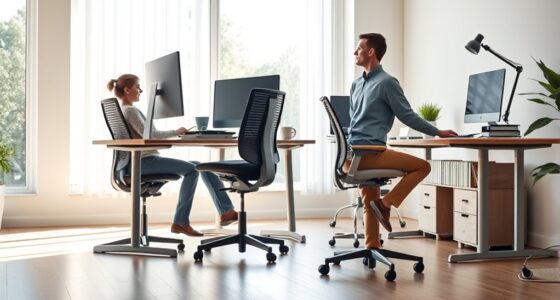
Office design plays a pivotal role in creating a space that fosters comfort and productivity. When the layout encourages movement and interaction but also allows for quiet, focused work, it balances social needs with individual concentration. For instance, adjustable desks, ergonomic chairs, and proper monitor placement reduce physical strain and help prevent common issues like back pain or eye strain. When your workspace is configured to support your body’s natural posture, you’re less likely to suffer from discomfort that hampers your ability to work effectively. Additionally, incorporating natural light and elements of nature can boost mood and reduce stress, further enhancing your overall well-being.
Investing in ergonomic solutions isn’t just about comfort; it’s a strategic move to improve productivity. When you’re physically comfortable, you can work longer periods without fatigue or discomfort, maintaining focus and efficiency. Ergonomics ensures that your body aligns correctly during work, decreasing the likelihood of repetitive strain injuries and musculoskeletal problems. This means fewer sick days and a more consistent performance. Besides furniture, ergonomic accessories like keyboard stands or footrests can make a subtle yet impactful difference. When workers feel physically supported, they’re more likely to stay engaged, motivated, and less distracted by physical discomforts.
Furthermore, a well-designed office environment communicates that you, as an employee, are valued. When your employer invests in ergonomic furniture and thoughtful office design, it sends a message that your well-being matters. This can boost morale, loyalty, and overall job satisfaction. In turn, this positive atmosphere translates into better performance and a more collaborative, productive workplace. Ultimately, combining good office design with ergonomic considerations creates a space where you can thrive physically and mentally, making it clear that comfortable workers do work better. When your environment supports your needs, your efficiency, creativity, and overall job satisfaction naturally follow.
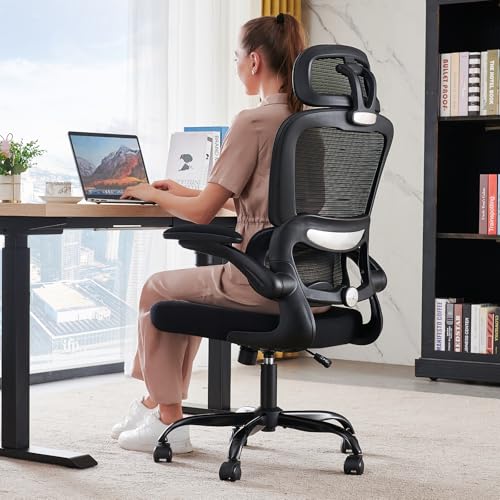
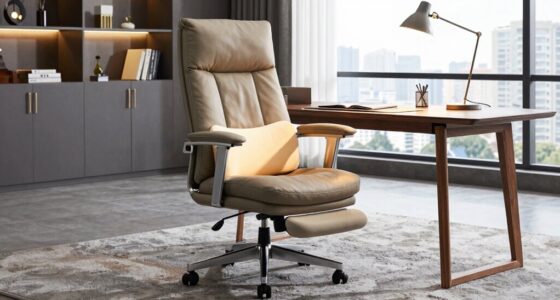
TRALT Office Chair Ergonomic Desk Chair, 330 LBS Home Mesh Office Desk Chairs with Wheels, Comfortable Gaming Chairs (Black)
Ergonomic Office Chair: Experience unparalleled support with our ergonomic office chair, designed to provide comprehensive assistance for your…
As an affiliate, we earn on qualifying purchases.
As an affiliate, we earn on qualifying purchases.
Frequently Asked Questions
How Does Ergonomic Furniture Impact Long-Term Health Costs?
Ergonomic furniture can markedly reduce your long-term health costs by preventing musculoskeletal disorders, which often lead to higher medical expenses. When you invest in ergonomic workspaces, you lower the risk of strain and injury, meaning fewer doctor visits and treatments over time. This proactive approach helps you stay healthier, saving money on medical expenses and ensuring you can work comfortably without the burden of chronic pain or injury.
Can Comfort Directly Correlate With Employee Engagement Levels?
Ever wonder if comfort can boost employee engagement? It absolutely can. When you prioritize employee satisfaction through a supportive work environment, you’re fostering a sense of care and value. Comfortable workspaces make employees feel appreciated, which increases their motivation and commitment. A positive, ergonomic environment isn’t just about health—it’s about creating a space where employees want to thrive, leading to higher engagement and better overall performance.
What Are Cost-Effective Ergonomic Solutions for Small Businesses?
You can implement cost-effective ergonomic solutions by optimizing your office layout to promote better posture and movement. Start with adjustable chairs and desks to fit individual needs, and conduct ergonomic assessments to identify specific issues. Rearranging your workspace to reduce strain and encourage ergonomic practices doesn’t have to be expensive. These adjustments improve comfort, boost productivity, and create a healthier work environment without breaking the bank.
Do Ergonomic Adjustments Benefit Remote Workers Equally?
Yes, ergonomic adjustments benefit remote workers equally by enhancing office aesthetics and boosting employee satisfaction. When you create a comfortable workspace, remote employees feel more valued and motivated. Proper ergonomic furniture and setup improve posture and reduce discomfort, leading to increased focus and productivity. Investing in these adjustments shows you care about your team’s well-being, fostering a positive work environment regardless of location.
How Quickly Can Productivity Improve After Ergonomic Upgrades?
You can see productivity improve within days after ergonomic upgrades. An ergonomic assessment often reveals quick wins, boosting productivity metrics by up to 25% in just one week. When you prioritize comfort, your focus and efficiency increase rapidly. Investing in ergonomic adjustments creates immediate benefits, making your workspace more conducive to sustained performance. Expect noticeable improvements in just a few days, encouraging ongoing enhancements for long-term productivity gains.

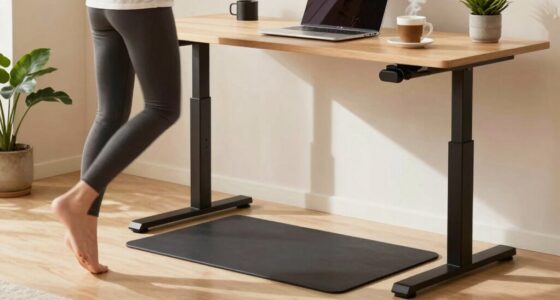
ErGear Height Adjustable Electric Standing Desk, 48 x 24 Inches Sit Stand up Desk, Memory Computer Home Office Desk, Black
Electric Height Adjustable Standing Desk for Comfortable Work – Switch effortlessly between sitting and standing with this electric…
As an affiliate, we earn on qualifying purchases.
As an affiliate, we earn on qualifying purchases.
Conclusion
So, next time you’re tempted to skip ergonomic upgrades, ask yourself: isn’t feeling comfortable at work worth the boost in productivity? When you prioritize comfort, you’re not just easing fatigue—you’re creating an environment where you can perform at your best. After all, doesn’t it make sense that when you feel good, you do better? Investing in your comfort isn’t just a luxury; it’s the secret to working smarter and happier every day.

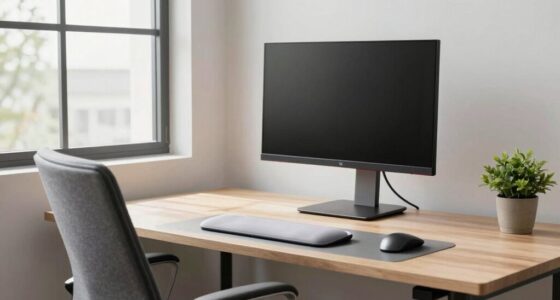
Richboom Clear Acrylic Tilted Computer Keyboard Holder for Easy Ergonomic Typing, Upgraded Version, Keyboard Stand with Silicone Anti-Slip Case for Office Desk, Home, School, Clear
[ LOW FRONT LIP ON THE END ] Holds your keyboard perfectly and makes your hands comfortable. You…
As an affiliate, we earn on qualifying purchases.
As an affiliate, we earn on qualifying purchases.

HUANUO Adjustable Desk Footrest, Foot Rest for Under Desk at Work with Massage, Adjustable Foot Stool with 3 Height Position & 30 Degree Tilt Angle Adjustment for Home, Office
Ergonomic Office footrest – Helps to improve posture by keeping your feet and legs elevated. Rest your legs…
As an affiliate, we earn on qualifying purchases.
As an affiliate, we earn on qualifying purchases.