TL;DR

Get comfort and recovery gear delivered free with Prime
- Fast, free delivery on millions of items
- Prime Video, Amazon Music and more included
- Member-only deals all year
A Fit&Well contributor reports adding child’s pose and a standing forward fold after daily walks after hills left them feeling stiff in the legs, hips and back. The contributor says each stretch is held for about a minute; a physiotherapist quoted in the report explains how the positions may stretch lower-back soft tissues. The account is personal, not evidence that the routine works for everyone.
A Fit&Well contributor says they have started doing child’s pose and a standing forward fold after daily walks, after moving to a hilly area and noticing stiffness in their legs, hips and back. The report describes a personal routine, while physiotherapist Helen O’Leary says the positions can stretch soft tissues in the lower back and may help with discomfort after walking.
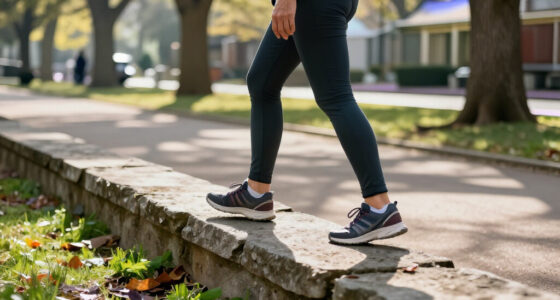
The contributor says walking is their daily form of exercise and that walks generally last no longer than an hour. They had assumed that a low-impact activity that did not leave them sweating required no recovery routine. After moving to a hilly area, however, they sometimes felt stiff after walking and began adding two stretches that take a few minutes.
For child’s pose, the instructions are to kneel with the knees wider than hip-width apart, reach the arms forward and sit the hips back. For the standing forward fold, stand with feet hip-width apart and slowly lower the arms toward the feet, keeping the knees bent. Stop when a stretch is felt in the hamstrings. The writer says they hold each position for about one minute.
The report says the routine was chosen to target the hips and legs and mobilize the back, which the contributor describes as their stiffest area. The writer also links the stretches to the walk as a form of habit stacking—pairing a new behavior with an existing one—in the hope of making daily stretching easier to maintain. These are the contributor’s stated reasons and experience, not measured results.
A Brief Routine After Hilly Walks
The report highlights that low-impact walking can still leave someone feeling stiff, particularly when routes involve hills, according to the contributor’s experience. It offers readers two simple movements and clear instructions, rather than a broad claim that everyone needs to stretch after every walk.
O’Leary’s comments provide a physiotherapist’s explanation of why these particular positions might feel useful: both involve spinal flexion and stretch the soft tissues of the lower back. The practical takeaway is modest: a short routine may be worth trying if it feels comfortable, but the report does not establish that it prevents injury or treats a medical condition.
yoga mat non-slip for stretching at home
As an affiliate, we earn on qualifying purchases.
As an affiliate, we earn on qualifying purchases.
Why the Writer Added Stretching
The contributor’s routine followed a change in walking conditions. They report that after moving to a hilly area, they sometimes noticed stiffness in their legs, hips and back, despite describing their walks as relatively short and low-intensity. That personal change prompted them to reconsider their earlier assumption that walking did not require any recovery activity.
The article’s professional context comes from Helen O’Leary, identified as a physiotherapist at Complete Pilates. She explains that walking can be followed by stiffness or aching, particularly after a long walk, and describes the spinal position and lower-back soft-tissue stretch involved in the two poses. Her explanation is an attributed professional view; the source does not cite a clinical trial or compare the routine with other recovery approaches.
““It is quite common to feel a bit stiff or achy after walking, particularly following a long walk, and certain stretches can alleviate that discomfort.””
— Helen O’Leary, physiotherapist at Complete Pilates
yoga blocks for supported child's pose
As an affiliate, we earn on qualifying purchases.
As an affiliate, we earn on qualifying purchases.
Limits of the Personal Account
The report does not say how long the contributor has followed the routine, how often the stiffness occurred, or whether the stretches produced a measured change. It describes the writer feeling less stiff for the rest of the day, but gives no formal assessment or comparison with days when they did not stretch.
It also does not establish that these movements are suitable for everyone or that they prevent injury. The source provides no study data, medical guidance for people with existing conditions, or advice on what to do if stretching causes pain. Readers should stop if a movement is painful and seek guidance from a qualified health professional if they have a relevant condition or ongoing symptoms.
stretching strap for hamstring flexibility
As an affiliate, we earn on qualifying purchases.
As an affiliate, we earn on qualifying purchases.
How to Try the Two Stretches
The source offers no announced follow-up or research milestone. Its practical sequence is to finish a walk, then try the two positions gently: kneel into child’s pose and reach forward, followed by a bent-knee forward fold while standing. The contributor holds each for about a minute, but readers can stop sooner if uncomfortable; the article does not prescribe a universal duration.
O’Leary suggests adding a side bend in child’s pose by walking the hands to one side and sitting the hips back toward the opposite side, then repeating on the other side. The report leaves it to readers to judge whether the routine feels appropriate. Persistent or worsening discomfort calls for professional advice rather than relying on stretches alone.
Key Questions
Which two stretches does the report describe?
The routine is child’s pose followed by a standing forward fold. The contributor says each is held for about a minute.
How is child’s pose performed in the report?
Kneel with the knees wider than hip-width apart, reach the arms forward and sit the hips back. The report also relays O’Leary’s suggestion to walk the hands to one side for a side bend, then repeat on the other side.
How should the standing forward fold be done?
Stand with feet hip-width apart and slowly lower the arms toward the feet, keeping the knees bent. Stop when a stretch is felt in the hamstrings; the report does not advise pushing through pain.
Does the report prove the stretches relieve stiffness for everyone?
No. It recounts one contributor’s experience and includes a physiotherapist’s explanation of the positions. It does not report a clinical study or establish results for all walkers.
What if stretching causes pain or stiffness continues?
Stop a movement that causes pain. For persistent or worsening symptoms, or if you have a pre-existing condition, seek advice from a qualified health professional rather than relying on this routine.
Source: rss
Halloween Picks
halloween
As an affiliate, we earn on qualifying purchases.