
TL;DR

Get comfort and recovery gear delivered free — and shop member deals
- Fast, free delivery on millions of items
- Access to Prime Big Deal Days deals on October 6–7
- Prime Video, Amazon Music and more included
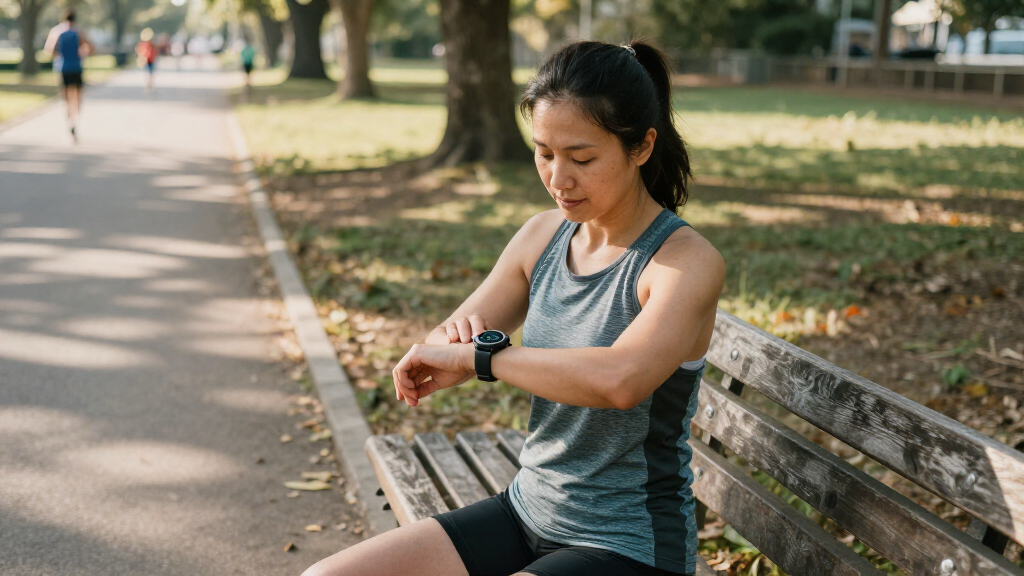
Garmin is promoting its Health Connected Ecosystem as a way for gyms and wellness providers to use wearable data in more individualized services for women. The tools can share measures such as sleep, stress and skin temperature, alongside optional menstrual-cycle and pregnancy tracking features; the source does not report a new product launch or clinical study.
Garmin is promoting its Health Connected Ecosystem as a way for gyms, coaches and wellness providers to use data from its wearables in services tailored to women’s health needs across life stages. The report describes integrations and existing tracking features, rather than a newly announced device, clinical finding or service launch.
Garmin’s ecosystem lets organizations connect data from compatible wearables to third-party platforms through the Garmin Health API or software development kit. The source says data collected through 24-hour monitoring can include measures such as sleep score, stress, skin temperature and fitness readiness. The aim is to give coaches a broader view of daily patterns than they can gain during a gym session alone.
The report also describes the Garmin Women’s Health API and features in the Garmin Connect app. Users can log menstrual cycles, physical and emotional symptoms, and personal notes, and access exercise and nutrition education. Period and fertility predictions are available and, according to Garmin’s stated feature description, become more accurate with additional logged information. Select devices can provide past ovulation estimates based on overnight skin temperature and cycle data.
Garmin Health B2B Sales director Andy Beckman said collaborators are using the ecosystem to build services that include metabolic health insights. The report presents potential applications such as individualized feedback, coaching and wellness challenges, but it does not provide usage figures, outcome data or independent evidence that these integrations improve health.
Wearable Data Beyond the Workout
The development matters to fitness businesses because it describes a route to extend coaching beyond scheduled classes and exercise sessions. With permissioned data integrated into a third-party platform, a trainer may be able to discuss patterns in sleep, stress or recovery alongside activity, rather than relying only on workout performance. That could support more tailored conversations for members whose needs or routines change over time.
For women, the report’s focus is on differences in experiences during pregnancy, perimenopause and menopause, as well as menstrual-cycle tracking. Continuous measurements may help users and coaches notice changes that are not apparent in a single session. However, the source frames these as opportunities for support, not diagnostic capabilities or proof of improved health outcomes. Personalized data is not a substitute for medical care, and the report does not establish that the metrics can identify the causes of symptoms.
The commercial relevance is also clear: gyms and wellness companies can use app integrations to add digital coaching and engagement services to their existing offerings. Whether that creates sustained member engagement or better results is not established in the material provided.
Garmin women’s health tracking wearable
As an affiliate, we earn on qualifying purchases.
As an affiliate, we earn on qualifying purchases.
Garmin’s Connected Health Tools
The report describes the Garmin Health Connected Ecosystem as a combination of wearable devices, data-sharing tools and third-party app integrations. Organizations can connect compatible device data to coaching or member platforms through Garmin’s API or SDK. The source also identifies the screenless CIRQA Smart Band as one device in the company’s wearable offering, but provides no new specifications or release details for it.
Garmin’s consumer-facing Connect app includes women’s health features for cycle logging and related estimates. Garmin’s stated caution, included in the source report, is that menstrual-cycle tracking is not a medical device and is not intended to diagnose or monitor a medical condition. The feature should not be used for conception, contraception or birth control. This distinction matters because the article discusses wellness support and health data, not clinical services.
““While fitness programming has historically focused on activity and exercise performance, modifiable lifestyle factors — including recovery, stress and sleep — are recognized more than ever as essential components to a holistic fitness and wellness plan.””
— Andy Beckman, Garmin Health director of B2B sales for the Americas
menstrual cycle tracking smartwatch
As an affiliate, we earn on qualifying purchases.
As an affiliate, we earn on qualifying purchases.
Evidence and Rollout Details
The source does not identify a specific new launch, name partner platforms, or give a rollout schedule. It also provides no figures on how many organizations use the integrations, how many users share data, or what outcomes those services have produced. Claims about better engagement or results are presented as potential benefits rather than measured findings.
It is also unclear how each third-party service interprets the data, what consent and privacy controls are available across integrations, or whether metrics are comparable across devices and users. Garmin’s cycle and ovulation estimates have defined limitations: the company says the tracking feature is not for contraception, conception support or diagnosing or monitoring medical conditions. The report does not establish that wearable measures can explain hormonal changes or symptoms.
As an affiliate, we earn on qualifying purchases.
How Providers Apply the Data
The next developments depend on whether gyms and digital health providers build and adopt services using Garmin’s APIs. The report points to possible coaching programs, accountability services and wellness challenges, but gives no confirmed dates or named launches to watch for.
For readers, the practical next step is to check what a particular provider collects, how it uses and shares wearable information, and what its service can and cannot tell users. Any health concerns should be discussed with a qualified clinician rather than interpreted from wearable estimates alone.
fitness wearable with skin temperature sensor
As an affiliate, we earn on qualifying purchases.
As an affiliate, we earn on qualifying purchases.
Key Questions
Did Garmin announce a new women’s health device?
No new device launch is described in the source material. The report discusses Garmin’s existing wearables, data integrations and women’s health features, including the screenless CIRQA Smart Band.
What information can Garmin share with fitness platforms?
Through the Garmin Health API or SDK, compatible integrations can include measures such as sleep score, stress, skin temperature and fitness readiness. The data available depends on the device and connected platform.
Can Garmin menstrual tracking be used for birth control?
No. Garmin’s stated guidance says its menstrual-cycle tracking feature should not be used for contraception, birth control or conception support, and is not intended to diagnose or monitor a medical condition.
Does the report show that these tools improve women’s health?
No. It describes possible uses and benefits, including more individualized coaching, but provides no independent study or measured outcomes showing that the integrations improve health.
Source: rss
Halloween Picks
halloween
As an affiliate, we earn on qualifying purchases.