

TL;DR
Depression is a widespread mental health condition affecting many Americans. This report summarizes confirmed facts, ongoing research, and why understanding depression is crucial for public health.
Depression affects a significant portion of the American population, with recent studies confirming its widespread prevalence. This mental health condition, often misunderstood, has profound implications for individuals and society. Experts emphasize that understanding depression’s scope is essential for improving treatment and reducing stigma.
According to the National Institute of Mental Health, approximately 17.3 million adults in the United States experienced at least one major depressive episode in 2020, representing about 7% of all adults. This statistic underscores depression’s status as a common mental health concern.
Researchers have identified various factors contributing to depression, including genetic predisposition, environmental stressors, and socioeconomic challenges. The COVID-19 pandemic has further exacerbated mental health issues, with surveys indicating increased rates of depression and anxiety since 2020.
Healthcare providers report that many Americans do not seek treatment due to stigma, lack of access, or unawareness of available resources. Efforts are underway to improve mental health services and promote awareness, but gaps remain, especially in underserved communities.
Why Widespread Depression in America Demands Attention
This high prevalence of depression impacts individual well-being, productivity, and healthcare costs. Recognizing depression as a common experience can reduce stigma, encourage more people to seek help, and inform public health policies aimed at better mental health support.
Experts warn that untreated depression can lead to severe consequences, including increased risk of suicide, substance abuse, and chronic health problems. Addressing depression comprehensively is vital for improving overall societal health and resilience.

Unfuck Your Brain: Getting Over Anxiety, Depression, Anger, Freak-Outs, and Triggers with science
As an affiliate, we earn on qualifying purchases.
As an affiliate, we earn on qualifying purchases.
Recent Trends and Factors Influencing Depression Rates in the U.S.
Depression has been recognized as a growing concern over the past decade, with rates rising alongside economic challenges and social changes. The COVID-19 pandemic significantly heightened awareness of mental health issues, with many Americans experiencing symptoms of depression due to isolation, loss, and uncertainty.
Prior to the pandemic, estimates indicated that about 1 in 20 adults experienced depression annually. The pandemic has pushed these numbers higher, with some surveys showing nearly 30% of respondents reporting symptoms of depression in 2021 and 2022.
Research also points to disparities based on race, income, and geographic location, with marginalized groups often facing higher rates and less access to mental health care. Efforts to address these disparities are ongoing but face challenges related to funding, stigma, and healthcare infrastructure.
“Depression is more common than many realize, and understanding its prevalence helps us better allocate resources and reduce stigma.”
— Dr. Lisa Smith, psychiatrist and mental health researcher

Worry for Nothing: Guided Anxiety Journal, Cognitive Behavioral Therapy Mental Health Journal, Anxiety Relief & Self Care, Journal for Men & Women, Mental Health Gifts
- Improves Mental Health: Enhances mindfulness and emotional awareness
- Discreet Design: Elegant cover without obvious labels
- Research-Backed Exercises: Based on Cognitive Behavioral Therapy
As an affiliate, we earn on qualifying purchases.
As an affiliate, we earn on qualifying purchases.
Unanswered Questions About Depression Trends and Treatment
While data confirms depression’s widespread presence, questions remain about long-term trends, the effectiveness of new treatments, and how best to reach underserved populations. It is also unclear how future societal changes may influence depression rates.
Researchers acknowledge that ongoing studies are needed to better understand the evolving landscape of mental health, especially as new stressors and healthcare innovations emerge.
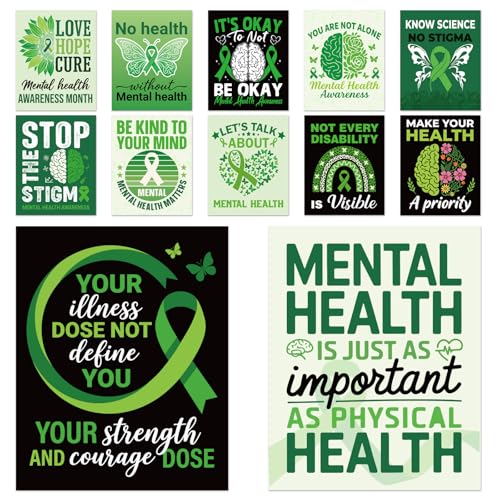
EUOYUFO 12Pcs Mental Health Awareness Posters May Mental Health Month Party Decorations Psychological Well Being Ribbon Poster Wall Supplies for School Classroom Therapy Offices
- Package Includes: 12 mental health awareness posters
- Poster Dimensions: 14 x 11 inches each
- Design Elements: Green ribbons, brains, hearts, flowers
As an affiliate, we earn on qualifying purchases.
As an affiliate, we earn on qualifying purchases.
Upcoming Initiatives and Research to Address Depression
Public health agencies and researchers plan to expand mental health screening programs and improve access to care, especially in rural and underserved areas. New treatments, including digital therapies and community-based interventions, are under evaluation.
Policy discussions are also underway to increase funding for mental health services and integrate mental health care into primary healthcare settings. Monitoring depression trends will continue to be a priority to adapt strategies effectively.

Joy-Filled Mood Support Supplement + St. John's Wort, Plant-Based, 60 Ct
- Herbal Mood Support: Full-spectrum 7-herb blend for mood and energy
- Supports Emotional and Mental Clarity: St. John's Wort and Gotu Kola for balance and focus
- Stress Resilience: Ashwagandha, Rhodiola, and Eleuthero for stress management
As an affiliate, we earn on qualifying purchases.
As an affiliate, we earn on qualifying purchases.
Key Questions
How prevalent is depression among Americans?
Approximately 17.3 million adults, or about 7% of the adult population, experienced at least one major depressive episode in 2020, according to the National Institute of Mental Health.
What factors contribute to depression?
Genetics, environmental stressors, socioeconomic challenges, and recent societal disruptions like the COVID-19 pandemic all play roles in increasing depression risk.
Why do many Americans not seek treatment for depression?
Stigma, lack of access to mental health services, and unawareness of available resources are common barriers to seeking treatment.
What efforts are underway to improve mental health support?
Public health initiatives include expanding screening programs, increasing funding for mental health services, and developing new treatment options such as digital therapies.
What remains uncertain about depression’s future impact?
It is still unclear how long-term societal changes, economic factors, and healthcare innovations will influence depression trends and treatment effectiveness.
Source: rss