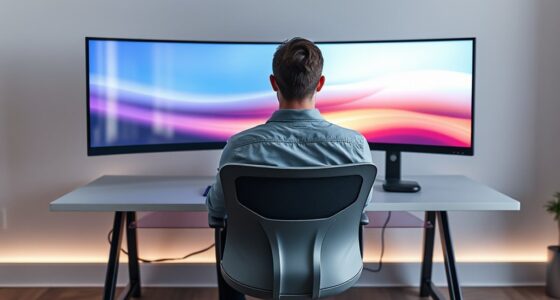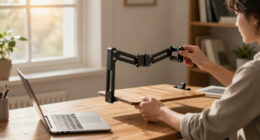
To create a better standing routine with less fatigue, focus on maintaining good posture by keeping your shoulders back, chest open, and spine aligned. Use ergonomic accessories like anti-fatigue mats and adjustable footrests to reduce strain, while taking regular breaks to stretch and move your legs. Arrange your workspace to avoid awkward reach or twisting, and wear supportive shoes. Consistently combining these habits will help you stay comfortable and energized—exploring these tips further can make a real difference.
Key Takeaways
- Incorporate regular breaks and movement to improve circulation and reduce muscle stiffness.
- Use ergonomic accessories like adjustable footrests and anti-fatigue mats to support comfort.
- Maintain proper posture with shoulders back, chest open, and spine aligned throughout standing periods.
- Arrange your workspace to minimize reaching, twisting, and awkward postures.
- Develop a consistent routine combining posture, movement, and environment adjustments for lasting relief.

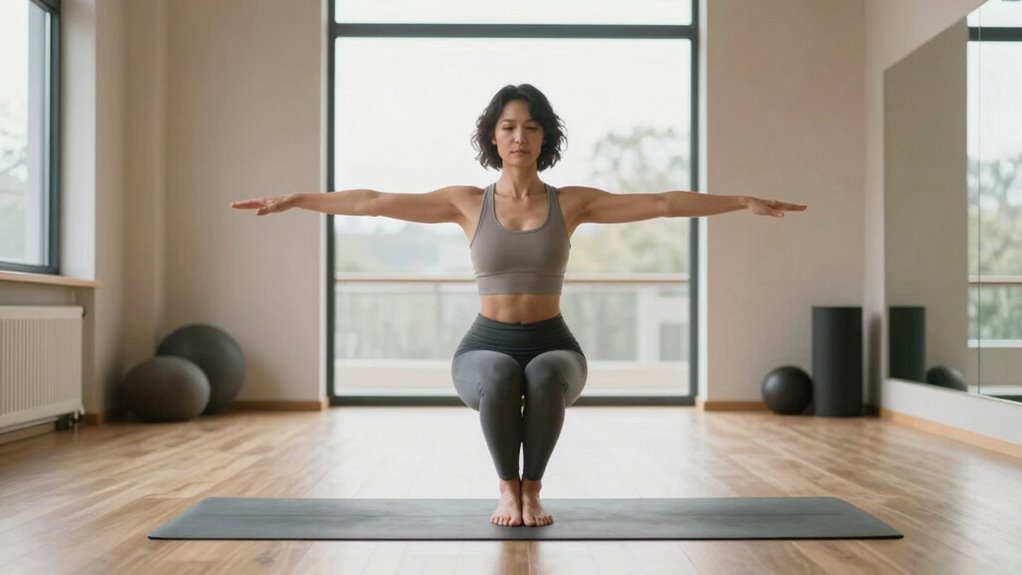
Have you ever felt uncomfortable or stiff after standing for long periods? It’s a common experience, especially if you haven’t paid attention to your posture or the tools you use to support yourself throughout the day. Creating a better standing routine means making small but impactful changes that reduce fatigue and improve comfort. One effective way to start is with posture correction. When you stand with your shoulders back, chest open, and spine aligned, you put less strain on your muscles and joints. Good posture helps distribute your weight evenly, preventing unnecessary fatigue in your lower back, neck, and legs. It’s easy to slip into habits like slouching or leaning forward, but consciously maintaining proper posture will make a noticeable difference over time.
Maintaining proper posture reduces fatigue and discomfort during long periods of standing.
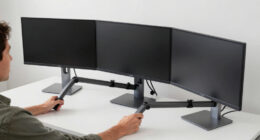
In addition to posture correction, using ergonomic accessories can significantly improve your standing experience. Items like anti-fatigue mats can cushion your feet and reduce the pressure on your heels and arches, which often become sore after hours of standing. Adjustable footrests allow you to shift your weight and change your stance periodically, preventing stiffness. Consider investing in a sit-stand desk or a height-adjustable workstation, so you can alternate between sitting and standing without straining your back or neck. These accessories aren’t just for comfort—they also promote movement and help keep your muscles active, reducing fatigue and boosting circulation.
Breaking your standing routine into manageable intervals is another key step. Stand for 20 to 30 minutes at a time, then take a short walk or stretch. Movement encourages blood flow, loosens tight muscles, and prevents the dull ache that often accompanies prolonged standing. Incorporate simple stretches for your calves, hamstrings, and lower back to keep your muscles flexible. Keep your legs slightly apart, with one foot a little ahead of the other, and shift your weight from side to side now and then. This small adjustment can alleviate pressure on your lower limbs and reduce swelling. Additionally, being aware of ergonomic principles can help you optimize your workspace setup for better comfort and reduced fatigue.
Finally, stay mindful of your environment. Arrange your workspace so that you’re not reaching or twisting awkwardly. Keep frequently used items within easy reach to avoid unnecessary bending or twisting. Wearing supportive shoes with cushioned soles also helps absorb the impact and lessen fatigue. By combining posture correction, ergonomic accessories, movement, and environment adjustments, you can create a standing routine that minimizes fatigue and enhances your comfort. Remember, consistency is key—small changes made regularly will lead to lasting improvements in how you stand and feel throughout the day.

FEATOL Anti Fatigue Mat for Standing, 9/10 Extra Thick Ergonomic Standing Desk Mat, Comfort Memory Foam Standing Mat at Home,Office All Day (20" x 32", Black, 1PC)
[Anti Fatigue Standing Desk Mat] – This anti fatigue mat standing desk office is effective in reducing stress…
As an affiliate, we earn on qualifying purchases.
As an affiliate, we earn on qualifying purchases.
Frequently Asked Questions
How Often Should I Take Breaks During Standing Routines?
You should take breaks every 30 to 60 minutes during standing routines. Use this time for posture correction and balance exercises to prevent fatigue and discomfort. Regular breaks help reset your muscles, improve circulation, and maintain focus. Incorporate gentle stretches or brief movements to reduce strain. Staying mindful of your posture and making small adjustments can considerably enhance your comfort and endurance during prolonged standing periods.
What Footwear Is Best for Reducing Fatigue?
You need footwear that’s like a cloud for your feet, dramatically reducing fatigue. Look for shoes with advanced footwear technology, offering superior shock absorption and arch support. Proper footwear improves your standing posture, preventing strain and discomfort. Choose cushioned insoles, flexible soles, and good arch support. These features work together to keep you comfortable, energized, and pain-free, even during long periods of standing.
Can Specific Stretches Improve Standing Comfort?
Yes, specific stretches can improve your standing comfort. Stretch benefits include easing muscle tension and promoting flexibility, which helps reduce fatigue. Incorporating stretches like chest openers and hamstring stretches can also support posture correction, preventing slouching and discomfort. Regularly practicing these stretches helps keep your muscles relaxed and aligned, making standing less tiring and more comfortable throughout your routine.
How Does Hydration Affect Standing Endurance?
Staying well-hydrated can be your secret weapon, subtly boosting your endurance impact during long standing periods. When you drink enough water, your body functions more efficiently, reducing fatigue and helping you maintain your stance comfortably longer. Proper hydration enhances your resilience, ensuring your muscles aren’t overtaxed. Keep sipping water throughout the day to support endurance enhancement, allowing you to stand with ease and confidence without feeling drained too quickly.
Are There Ergonomic Accessories That Help?
Yes, ergonomic accessories can substantially help with fatigue management while standing. Consider using anti-fatigue mats, which cushion your feet and reduce strain, or adjustable footrests to shift weight comfortably. Supportive footwear also plays an essential role. These accessories promote better posture and reduce muscle fatigue, making your standing routine more sustainable and comfortable throughout the day. Incorporating these tools can make a noticeable difference in your overall comfort.

HUANUO Adjustable Desk Footrest, Foot Rest for Under Desk at Work with Massage, Adjustable Foot Stool with 3 Height Position & 30 Degree Tilt Angle Adjustment for Home, Office
Ergonomic Office footrest – Helps to improve posture by keeping your feet and legs elevated. Rest your legs…
As an affiliate, we earn on qualifying purchases.
As an affiliate, we earn on qualifying purchases.
Conclusion
Remember, building a better standing routine is like tending a garden—you need patience, consistency, and the right tools. I once met someone who swapped just an hour of sitting for better posture and noticed less fatigue after a week. Small adjustments, like taking breaks or using supportive footwear, can transform your day. Keep nurturing your routine, and you’ll find standing becomes easier—like watching a garden bloom with every careful step you take.
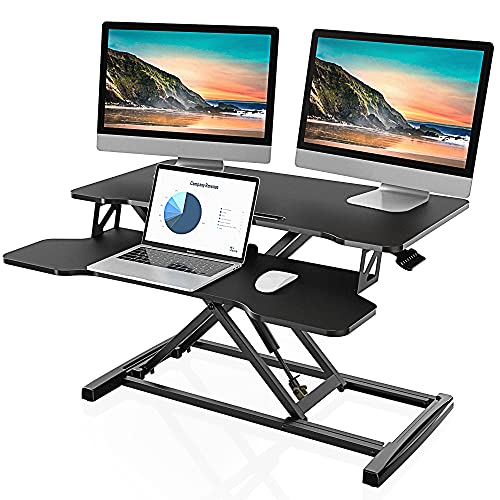
FITUEYES Height Adjustable Standing Desk 32” Wide Sit to Stand Converter Stand Up Desk Tabletop Workstation for Dual Monitor Riser FSD308001WB
【Spacious Work Area】: The top surface measures 31.5” x 15.7” providing plenty of space for single monitor, dual…
As an affiliate, we earn on qualifying purchases.
As an affiliate, we earn on qualifying purchases.

Brooks Women’s Adrenaline GTS 24 Supportive Running Shoe – Black/Peacoat/Peach – 7.5 Medium
THIS WOMEN’S SHOE IS FOR: The Adrenaline GTS 24 provides support to every stride, now with nitrogen-infused DNA…
As an affiliate, we earn on qualifying purchases.
As an affiliate, we earn on qualifying purchases.