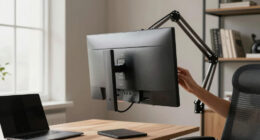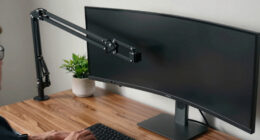

To avoid overcorrecting your posture, focus on creating a natural, comfortable alignment rather than fixing every little detail. Set reminders to check in with your body and gently adjust only when you notice tension or discomfort. Remember, your goal is balance, not perfection—so avoid holding rigid positions all day. Pay attention to your body’s signals and shift smoothly to stay relaxed. If you want practical tips to maintain healthy habits, keep exploring these helpful strategies.
Key Takeaways
- Focus on maintaining a natural, comfortable posture rather than constantly adjusting or perfecting it.
- Use mindful cues and alarms to check your posture periodically without overthinking.
- Incorporate gentle stretching to relieve tension rather than forcing into a specific position.
- Prioritize balance and consistency over perfection, listening to your body’s signals.
- Avoid overcorrecting by trusting your body’s natural alignment and making gradual, small adjustments.

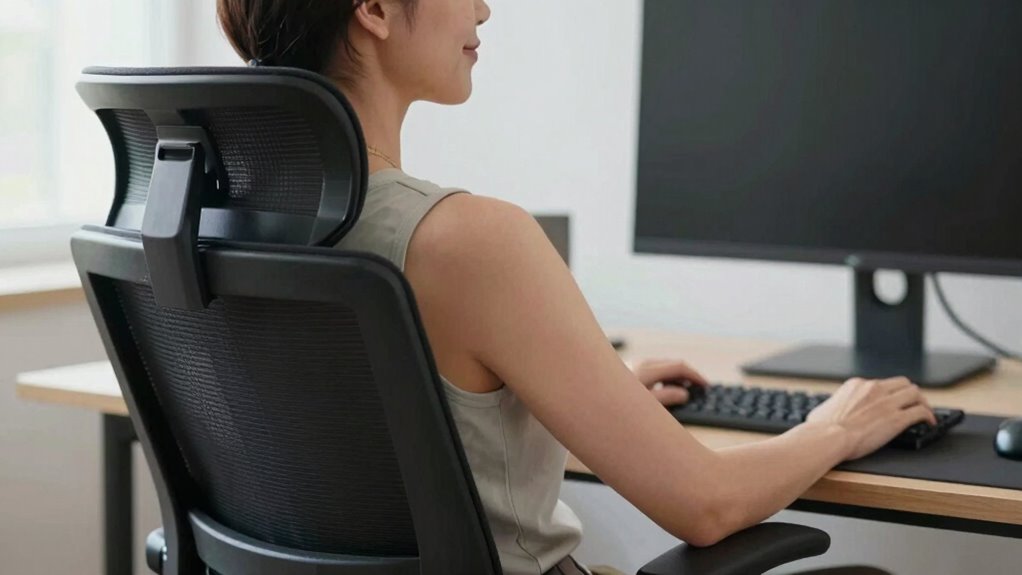
Maintaining good posture is essential, but overcorrecting your stance throughout the day can be just as harmful as slouching. When you’re constantly adjusting your position, you might create tension in muscles, strain joints, or develop new discomforts. The key isn’t to be perfectly rigid but to find a balanced approach that supports your body naturally. Creating an ergonomic workspace plays a big role here. Make sure your chair and desk are set to positions that encourage proper alignment—your feet flat on the floor, knees at a 90-degree angle, and your monitor at eye level. This setup minimizes the urge to constantly tweak your posture because it provides a natural, supportive environment.
An ergonomic workspace encourages natural posture, reducing the urge to overcorrect and promoting comfort throughout the day.
In addition to setting up your workspace, practicing mindful stretching throughout the day can help. Instead of forcing yourself into a single perfect posture and holding it for hours, dedicate moments to gentle, intentional movements. These stretches should be smooth and controlled, helping to relieve tension rather than adding to it. For example, shoulder rolls, neck stretches, and back extensions can release tight muscles and promote circulation. When you become aware of areas where tension builds, take a moment to stretch consciously, rather than reflexively straightening or tightening your stance excessively. This mindfulness prevents overcorrection and encourages a more relaxed, sustainable posture.
It’s also helpful to develop habits that remind you to check in with your body periodically. Set alarms or cues on your phone or computer to prompt you for a quick posture review or stretch. During these moments, assess whether you’re holding a natural, comfortable position or straining to maintain a certain stance. If you notice tension, adjust gently rather than forcing yourself into a rigid position. Remember, your body wants to move freely, not stay locked into one position for hours. Incorporating body awareness techniques can further enhance your ability to maintain a healthy posture throughout the day. Additionally, understanding postural habits and how they develop can help you identify patterns that lead to overcorrection and address them proactively.
Finally, focus on consistency over perfection. Your goal isn’t to remain perfectly aligned all the time but to develop a balanced, mindful approach. Paying attention to how your body feels at different points in the day helps you recognize when you’re overcorrecting or straining. By creating an ergonomic workspace, practicing mindful stretching, and checking in regularly, you’ll reduce the tendency to overcorrect and promote healthier, more natural posture habits. This way, you avoid unnecessary discomfort and support your body’s needs without becoming overly fixated on maintaining a “perfect” stance at all times.

Marsail Ergonomic Office Chair: Office Desk Chair with High Back Mesh and Adjustable Lumbar Support Rolling Work Swivel Task Chairs with Wheel 3D Armrests and Headrest
Fully Adjustable Office Chair: Customized chairs, featuring with an adjustable 2D headrest, backrest with 90° to 120° recline,…
As an affiliate, we earn on qualifying purchases.
As an affiliate, we earn on qualifying purchases.
Frequently Asked Questions
Can Overcorrecting Cause Long-Term Posture Issues?
Yes, overcorrecting can cause long-term posture issues. When you constantly shift or tense muscles to fix your posture, you risk creating muscle imbalances. These imbalances can lead to discomfort or pain over time. To prevent this, focus on habit reversal—gradually adjusting your posture instead of overcorrecting. Maintaining balanced muscle activity helps you develop sustainable posture habits, reducing the likelihood of long-term problems.
How Often Should I Check My Posture During the Day?
Think of posture awareness as your personal lighthouse—bright and guiding. Check your posture every 15 to 30 minutes, like clockwork, to prevent muscle imbalance from taking root. This regular self-check helps you stay aligned without overcorrecting. By maintaining this rhythm, you’ll catch subtle shifts early, avoiding long-term issues and strengthening your body’s natural balance. Stay attentive, and your posture will thank you.
Are There Specific Exercises to Prevent Overcorrection?
Yes, incorporating specific exercises can help prevent overcorrection. Focus on stretching routines that target your chest, shoulders, and back to balance your posture muscles. Using ergonomic accessories like lumbar supports or adjustable desks encourages proper alignment without overdoing it. Regularly practicing gentle stretches and maintaining awareness of your body position helps you find a sustainable posture, preventing strain or overcorrection throughout the day.
What Signs Indicate I’m Overcorrecting My Posture?
You might notice your posture habits causing discomfort or muscle tension, which indicates you’re overcorrecting. Common signs include stiffness in your neck or shoulders, feeling unsteady, or frequent adjustments that make your muscles ache. If you catch yourself tensing excessively or leaning into perfect alignment, it’s a sign to relax. Pay attention to your body’s signals, and aim for a balanced posture rather than rigid overcorrection to prevent strain.
Does Posture Correction Differ for Sitting and Standing?
Think of posture correction like tuning a musical instrument—you want harmony, not tension. When sitting, focus on ergonomic adjustments, like proper chair height and lumbar support, and maintain posture awareness without rigid overcorrection. Standing, engage core muscles gently and avoid locking joints. The key is to adapt your approach, ensuring comfort and balance. Remember, whether sitting or standing, mindful adjustments help your posture stay harmonious without causing strain.

CanDo Sitting Wedge Active Seat Wobble Cushion for Posture, Back Pain, Restlessness, Stress Relief and Anxiety, Child Size, 10" x 10"
Inflatable Wedge Cushion for Active Sitting – Back pain? Poor posture? Trouble sitting still? Use the CanDo Sitting…
As an affiliate, we earn on qualifying purchases.
As an affiliate, we earn on qualifying purchases.
Conclusion
Remember, finding balance is like walking a tightrope—too much correction throws you off, just as too little leaves you slouched. Be gentle with your posture, adjusting mindfully rather than obsessively. Think of your body as a garden; nurturing it with patience and awareness guarantees healthy growth without overbearing pruning. By listening to your body’s subtle signals, you create harmony that sustains you all day long, turning posture correction into a graceful dance rather than a rigid chore.
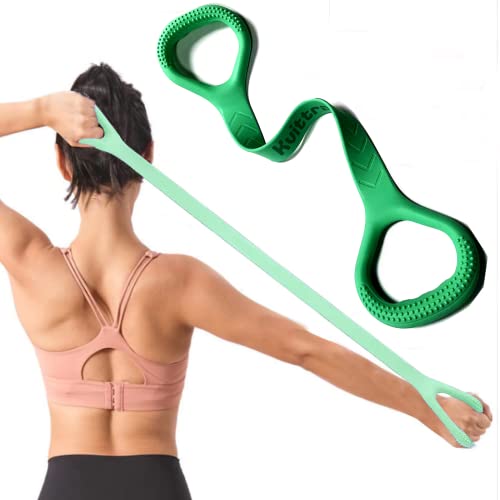
Kvittra Figure 8 Resistance Band, Arm Back Shoulder Exercise Elastic Rope Stretch Fitness Band, Foot, Leg, Hand Stretcher, Arm Exerciser for Yoga Pilates Stretching Physical Therapy, Home Gym Workout
UPGRADED MANUAL DESIGN EXERCISE BANDS – Made of natural latex, designed with an 8 shape, perfectly fits your…
As an affiliate, we earn on qualifying purchases.
As an affiliate, we earn on qualifying purchases.
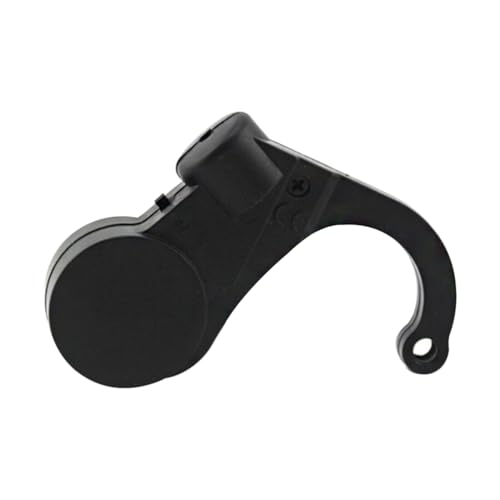
FRCOLOR Sitting Posture Reminder with Sleep Alarm for Drivers and Students Portable 2.75X1.96X0.59In Alert Device for Long-Distance Driving and Study
Driver Wake-up Alert: This sitting reminder functions as an anti sleep alarm specifically designed to alert drivers during…
As an affiliate, we earn on qualifying purchases.
As an affiliate, we earn on qualifying purchases.