TL;DR

Get comfort and recovery gear delivered free with Prime
- Fast, free delivery on millions of items
- Prime Video, Amazon Music and more included
- Member-only deals all year
Physiologist and wellbeing expert Oli Patrick has outlined five habits he says can support sleep: allow seven hours, keep sleep and wake times consistent, get morning daylight, limit evening light and cool down before bed. His advice appeared in Fit&Well in a report tied to the launch of Eight Sleep’s Pod 6; the report does not provide clinical evidence that the checklist treats sleep disorders.
Physiologist Oli Patrick has shared a five-point checklist of everyday habits intended to support sleep, including keeping regular bed and wake times, getting daylight soon after waking and reducing light before bed. The advice was reported by Fit&Well alongside coverage of Eight Sleep’s Pod 6 launch, but the source does not present the checklist as a clinically tested treatment for persistent insomnia or other sleep disorders.
Patrick recommends allowing at least seven hours for sleep and keeping sleep and wake times as consistent as possible. He says a regular schedule helps keep sleep aligned with the body’s circadian rhythm, the roughly 24-hour timing system that influences alertness and sleep. Seven hours is his suggested opportunity, not a guarantee that every person will feel rested or that the same amount suits everyone.
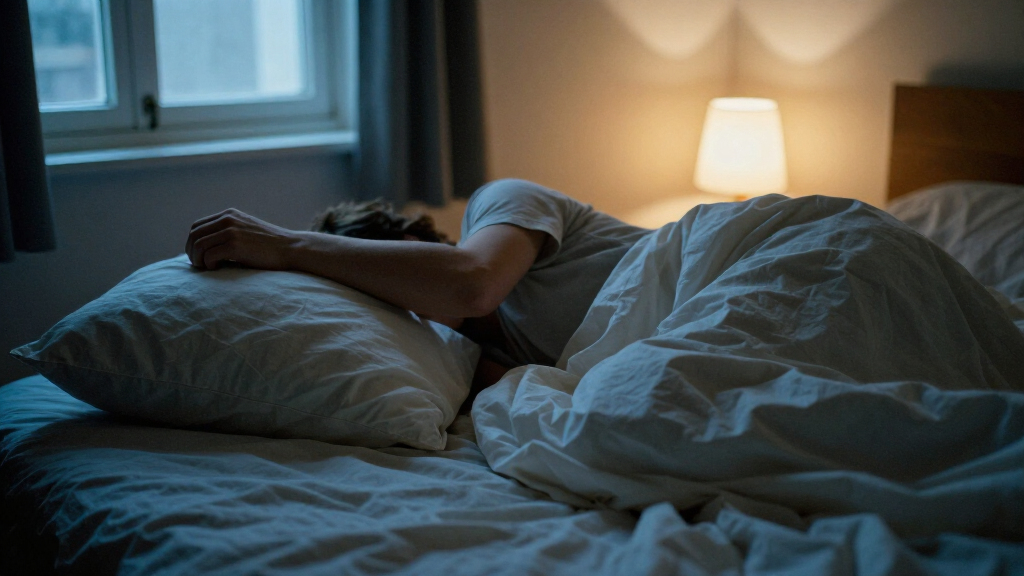
His third suggestion is to seek 10 to 15 minutes of daylight within the first hour after waking. Patrick says outdoor light can provide a cue for the body’s daily rhythm; the report also mentions bright artificial light as an alternative. In the evening, he advises making the bedroom as dark as is comfortable and limiting devices such as phones, laptops and televisions near bedtime.
The final point is to cool the body before sleep. Patrick suggests avoiding late meals, exercise or work that may keep the body warmer, and says a brief shower may help some people lose heat through the skin. He also recommends reviewing caffeine use after lunch and alcohol consumption if sleep remains poor, and mentions journaling, breathing exercises or yoga as practices some people may find calming. These are his recommendations, not findings established by the article through comparative research.
Everyday Cues That Support Sleep
The checklist focuses on routine, light and temperature—factors readers can review without buying a sleep-tracking product. That is relevant because the report appeared around the launch of a smart mattress cover, yet Patrick told Fit&Well that people can work on sleep habits without technology.
At the same time, the advice should not be read as a promise to resolve ongoing sleep problems. Fit&Well’s account does not describe a trial of the five steps, quantify their effects or establish that they work for everyone. Readers whose sleep difficulties persist may need individualized advice rather than relying on a checklist alone.
blue light blocking glasses for sleep
As an affiliate, we earn on qualifying purchases.
As an affiliate, we earn on qualifying purchases.
Fit&Well reported that Patrick discussed the recommendations at an Eight Sleep event marking the launch of Pod 6, a smart mattress cover that the report says can track health metrics such as heart rate and adjust temperature. Patrick is described as an advocate for the device, while also saying sleep improvements need not depend on technology. That commercial setting is relevant when weighing the surrounding product coverage, but it does not by itself establish whether the checklist is effective.
The report identifies Patrick as a physiologist and wellbeing expert with a degree in Exercise Sciences from Birmingham University. It says he created a UK level-7 diploma in health and wellbeing physiology in 2004 and has held roles in health and corporate wellbeing. Those biographical details identify his professional background; the source does not cite a clinical study testing these five recommendations together.
“You’re a pretty special creature if you can genuinely do all the amazing jobs sleep does in less than seven hours.”
— Oli Patrick, physiologist and wellbeing expert, speaking to Fit&Well
As an affiliate, we earn on qualifying purchases.
Evidence and Individual Results
The Fit&Well report does not give a study design, sample size or measured outcomes for Patrick’s five-point checklist. It is therefore unclear how much each habit contributes, whether the combined routine improves sleep for particular groups, or how quickly any change might be noticed. The account also does not establish that seven hours is appropriate for every reader.
Patrick’s further suggestions about caffeine, alcohol and calming activities are presented as his guidance. The report supplies no detailed thresholds for caffeine, no assessment of individual health circumstances and no evidence that these steps will address persistent sleep problems. It does not explain when a reader should seek professional assessment.
cooling mattress pad for better sleep
As an affiliate, we earn on qualifying purchases.
As an affiliate, we earn on qualifying purchases.
Practical Steps After the Checklist
Readers who want to try the routine can focus on the habits Patrick lists—consistent timing, morning light, a darker bedroom and a cooler pre-sleep period—while noting whether their own sleep changes. The source does not announce a follow-up study or provide a timetable for evaluating results.
If sleep remains poor, Patrick’s report suggests reviewing afternoon caffeine and alcohol and trying calming practices such as journaling, breathing exercises or yoga. Persistent or concerning symptoms warrant discussion with a qualified health professional; the checklist is general wellbeing advice, not a diagnosis or substitute for care.
As an affiliate, we earn on qualifying purchases.
Key Questions
What are the five points in Patrick’s sleep checklist?
He recommends allowing seven hours for sleep, keeping bed and wake times regular, getting 10 to 15 minutes of daylight within an hour of waking, making the bedroom dark, and cooling the body before bed.
Does the report prove that the checklist works?
No. Fit&Well reports Patrick’s advice but does not describe a clinical study testing the five recommendations or quantify their effects. The suggestions should be understood as general guidance, not a proven treatment.
Does the advice require a smart mattress or sleep tracker?
No. Although the report discusses Eight Sleep’s Pod 6, Patrick says people can work on their sleep habits without technology. The device is presented as a product that tracks some health metrics and adjusts temperature.
What does Patrick suggest if sleep is still poor?
He advises reviewing caffeine after lunch and alcohol use, and mentions journaling, breathwork or yoga as possible calming practices. The report does not say these steps will resolve persistent sleep problems; readers with ongoing concerns can seek professional guidance.
Source: rss
Halloween Picks
halloween
As an affiliate, we earn on qualifying purchases.