
TL;DR

Get comfort and recovery gear delivered free with Prime
- Fast, free delivery on millions of items
- Prime Video, Amazon Music and more included
- Member-only deals all year
Cardiologist Dr. Roy Jogiya says menopause-related changes can coincide with shifts in cholesterol, blood pressure and body composition, making heart health worth monitoring. He identifies new chest discomfort, breathlessness during familiar activities and persistent or symptom-linked palpitations as reasons to seek medical assessment; some combinations require emergency care.
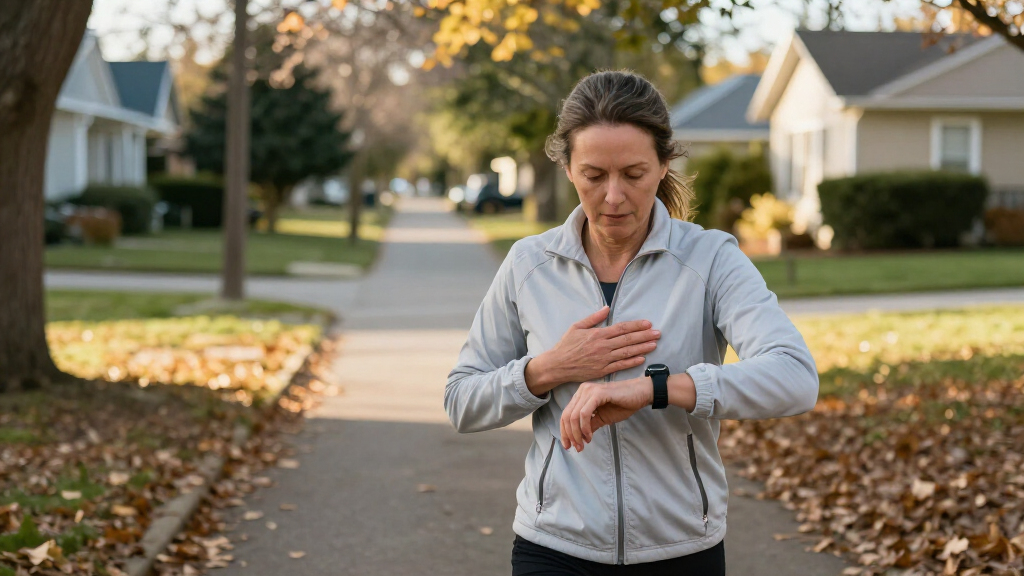
A cardiologist has urged women experiencing menopause not to dismiss new chest discomfort, unexplained breathlessness or persistent palpitations as hormonal symptoms alone. In guidance published by Fit&Well, Dr. Roy Jogiya, chief medical advisor at Heart Research UK, says these symptoms can warrant medical assessment, with certain warning signs requiring an emergency call.
Jogiya says falling estrogen levels during menopause may affect blood vessels and cholesterol. He notes that LDL cholesterol can rise, blood pressure may increase, and some women may develop more abdominal fat and insulin resistance. These changes occur gradually, he says, while aging also contributes; the source does not establish that menopause alone causes any individual heart problem.
The first symptom he highlights is new chest pressure or discomfort, which should not automatically be treated as indigestion. Possible heart attack symptoms in women can also include breathlessness, nausea, sweating, unusual fatigue, and discomfort in the jaw, back or upper abdomen. Jogiya cautions that symptoms do not always match the familiar depiction of severe, crushing chest pain.
A change in ability to exercise or carry out routine tasks is another reason to seek advice. Jogiya says becoming unexpectedly breathless while climbing stairs or doing an activity that was previously manageable deserves investigation. He also points to persistent racing or irregular heartbeats, particularly when accompanied by chest pain, breathlessness, faintness or fainting. A clinician may use an electrocardiogram or portable heart monitor to investigate a possible rhythm problem.
Recognizing Heart Warning Signs
Menopause symptoms such as hot flashes, anxiety and disrupted sleep can make it harder to know what is behind a change in how the heart feels. Jogiya’s advice is not that these symptoms necessarily signal heart disease; it is that new or persistent symptoms should not be presumed hormonal without considering medical assessment. That distinction matters because prompt evaluation can help determine whether a symptom reflects a heart problem or another cause.
The report also stresses emergency response when symptoms suggest a possible heart attack. It advises calling local emergency services for new chest pressure or discomfort, especially with sweating, nausea or breathlessness, and for palpitations occurring with chest pain, shortness of breath or faintness. Severe breathlessness, collapse or signs of stroke also call for emergency attention. The source advises not waiting for symptoms to become severe.
Products Worth Considering

Bose SoundLink Plus Portable Bluetooth Speaker, Wireless Outdoor Speaker, Up to 20 Hours Battery Life, Waterproof and Dustproof, Black

Ring Alarm Pro 14-Piece Home Security Kit with Built-In eero Wi-Fi 6 Router

Shark HydroVac MessMaster Corded Wet Dry Vacuum and Mop (WD161)
As an affiliate, we earn on qualifying purchases.
Menopause and Cardiovascular Changes
Jogiya describes menopause as a cardiovascular as well as reproductive milestone, while noting that the changes he discusses develop gradually and overlap with effects of aging. The report does not provide study data or quantify how much menopause changes an individual woman’s risk. Its focus is practical guidance from a cardiologist rather than a new clinical study or formal guideline.
According to Jogiya, people with high blood pressure, diabetes, high cholesterol, a smoking history, obesity or a strong family history of premature heart disease may be at greater risk. He also identifies premature menopause and pregnancy-related conditions—including pre-eclampsia, gestational diabetes and pregnancy-related hypertension—as cardiovascular risk markers that may be overlooked.
For prevention, he recommends aiming for 150 minutes of moderate exercise each week, along with strength training; eating a diet that includes vegetables, whole grains, nuts and olive oil while limiting saturated fat and salt; and getting blood pressure, cholesterol and blood sugar checked. These are general recommendations reported by Fit&Well, not a substitute for an individual care plan.
“Menopause isn’t just a reproductive milestone; it’s a cardiovascular one, too.”
— Dr. Roy Jogiya, chief medical advisor at Heart Research UK, as quoted by Fit&Well
When Symptoms Need Assessment
Palpitations can occur during menopause and are often harmless, Jogiya says, but the source offers no way for readers to determine the cause on their own. Hormonal fluctuations, disrupted sleep, anxiety and hot flashes may make heartbeats more noticeable; a persistent or irregular rhythm, or one accompanied by chest pain, breathlessness or faintness, warrants assessment. The cause of any person’s symptoms cannot be established from this report.
The article does not give a publication date, cite new research or say that the symptom guidance represents a change in medical recommendations. It also does not specify how common these symptoms are or quantify an individual’s risk. Readers with new or recurring symptoms should contact a healthcare professional; emergency warning signs call for local emergency services rather than waiting for a routine appointment.
Steps for Personal Risk Checks
Jogiya recommends arranging checks of blood pressure, cholesterol and blood sugar so any concerns can be identified and addressed. People noticing recurring palpitations, unexplained breathlessness, reduced exercise tolerance or recurrent dizziness should contact a doctor for assessment. If symptoms are worsening, or palpitations occurred with chest pain, breathlessness or faintness and have stopped, the source advises seeking urgent medical advice.
For possible heart attack symptoms, palpitations with chest pain or faintness, severe breathlessness, collapse or signs of stroke, call the local emergency number. The report does not announce a new program or further research milestone; its next steps for readers are symptom assessment, appropriate emergency care and routine risk-factor checks.
Key Questions
Which three symptoms does the cardiologist say not to ignore?
Dr. Roy Jogiya highlights new chest discomfort, unexpected breathlessness during familiar activities, and persistent or irregular palpitations. Symptoms need clinical assessment to determine their cause.
When should someone call emergency services?
The report advises calling local emergency services for possible heart attack symptoms, including new chest pressure or discomfort, especially with sweating, nausea or breathlessness. Palpitations with chest pain, shortness of breath or faintness, as well as severe breathlessness, collapse or signs of stroke, also require emergency attention.
Are palpitations during menopause always a sign of heart disease?
No. Jogiya says palpitations are common during menopause and often harmless, and that hormonal fluctuations, anxiety, disrupted sleep and hot flashes can make the heartbeat more noticeable. Persistent or irregular palpitations, especially with other warning symptoms, should be assessed by a clinician.
What health checks does the report recommend?
Jogiya recommends checking blood pressure, cholesterol and blood sugar. The report also advises contacting a doctor about new or recurring palpitations, unexplained breathlessness, reduced exercise tolerance or recurrent dizziness.
Source: fitandwell.com