When negotiating a remote work arrangement, clearly outline how it benefits both your productivity and the company’s goals. Share specific strategies to stay focused, meet deadlines, and communicate effectively. Be prepared to address concerns about teamwork by proposing regular check-ins and collaboration tools. Approach the conversation as a partnership, emphasizing mutual gains. If you want to learn how to frame your request and tackle objections confidently, keep exploring effective negotiation tips for remote work.
Key Takeaways
- Clearly articulate the benefits of remote work for both you and the organization to set a positive tone.
- Prepare a detailed plan demonstrating your productivity strategies, communication methods, and how you’ll meet deadlines remotely.
- Address potential employer concerns proactively by proposing regular check-ins, collaboration tools, and team engagement strategies.
- Frame the negotiation as a partnership, emphasizing mutual benefits like increased productivity and improved work-life balance.
- Follow up with a formal proposal outlining your plan, including technology use and solutions for potential challenges.

Negotiating remote work can considerably impact your job satisfaction and work-life balance, but it requires preparation and confidence. When approaching your boss about working remotely, it’s important to clearly understand how this change can benefit both you and the organization. Articulating your reasons with confidence can help set a positive tone for the conversation. Before you initiate the discussion, think about specific productivity strategies that support your ability to perform effectively outside the office. Demonstrating how you plan to stay focused, meet deadlines, and communicate regularly reassures your employer that your productivity won’t suffer.
A key part of your negotiation should focus on maintaining or even enhancing your work life balance. Highlight how flexible working hours or a remote arrangement can reduce stress, eliminate commute times, and allow you to better manage personal commitments. Emphasize that a well-structured remote setup can lead to higher job satisfaction, which often translates into increased engagement and better performance. You might also want to prepare examples of successful remote work experiences, whether from past roles or during trial periods, to bolster your case.
When discussing your proposal, be ready to listen and adapt. Your employer might have concerns about communication, collaboration, or team cohesion. Address these proactively by proposing solutions like regular check-ins, video meetings, or project management tools that keep everyone connected. Showing that you’ve thought about potential challenges and have workable solutions demonstrates your commitment to making remote work successful for everyone involved.
Remember, the tone of your conversation matters. Approach it as a partnership rather than an ultimatum. Frame your request around mutual benefits: increased productivity, better work life balance, and sustained or improved team performance. Be confident but respectful, and stay open to compromise. For instance, you might suggest starting with a hybrid model or a trial period to prove that remote work can work well for your role.
Finally, make certain that you’re prepared to follow up with a formal written request or proposal. Clearly outline your proposed schedule, how you plan to maintain productivity, and how you’ll address any potential issues. Having a well-thought-out plan not only reinforces your commitment but also makes it easier for your boss to see the advantages of granting your request. Incorporating modern workplace technologies can further demonstrate your readiness for remote work and ensure smooth collaboration. With the right preparation, a positive attitude, and strategic communication, you can increase your chances of successfully negotiating a remote work arrangement that benefits your work life balance and boosts your productivity.

Prompt Engineering for Remote Workers: AI-Powered Productivity Hacks: A Practical Guide to Automating Tasks, Streamlining Workflow, and Saving Hours with ChatGPT & AI Tools
As an affiliate, we earn on qualifying purchases.
As an affiliate, we earn on qualifying purchases.
Frequently Asked Questions
How Do I Prove My Productivity While Working Remotely?
To prove your productivity while working remotely, focus on performance metrics and consistent time tracking. Share regular updates with your boss, highlighting completed tasks and milestones. Use time tracking tools to demonstrate how efficiently you manage your workload and meet deadlines. By proactively providing this data, you showcase your dedication and results, building trust and reinforcing that you’re productive even outside the office environment.
What Should I Do if My Boss Refuses Remote Work?
If your boss refuses remote work, picture yourself chained to your desk while everyone else enjoys the benefits of flexibility. Gently remind them that remote work benefits include increased productivity and happier employees, which can boost overall office presence. Offer to trial a hybrid schedule or demonstrate your commitment through results. Showing your willingness to compromise can turn their resistance into curiosity, possibly opening doors to future remote opportunities.
How Can I Address Concerns About Team Collaboration Remotely?
To address concerns about team collaboration remotely, you should emphasize how a virtual team benefits from effective communication tools like Slack or Zoom. Suggest regular check-ins and collaborative platforms to keep everyone aligned. By proactively using these tools, you foster transparency and engagement. Show your commitment to maintaining strong teamwork, and reassure your boss that technology will bridge any gaps in remote collaboration.
What Are Common Remote Work Policies to Negotiate?
They say “a stitch in time saves nine,” so start by discussing common remote work policies you want to negotiate. Focus on remote work flexibility, like adjustable hours and hybrid options, and clarify office presence policies, including expectations for in-office days. Be proactive, highlight how these policies benefit both you and the company, and aim for a flexible agreement that supports productivity and work-life balance.
How Do I Handle Potential Isolation or Loneliness?
To handle potential isolation or loneliness, you should prioritize virtual socializing by scheduling regular coffee chats or team check-ins. Keep your mental health in check by utilizing available mental health resources, such as counseling or stress management tools. Engage with colleagues through online channels, and set boundaries to balance work and personal life. These steps help you stay connected, supported, and maintain your well-being while working remotely.
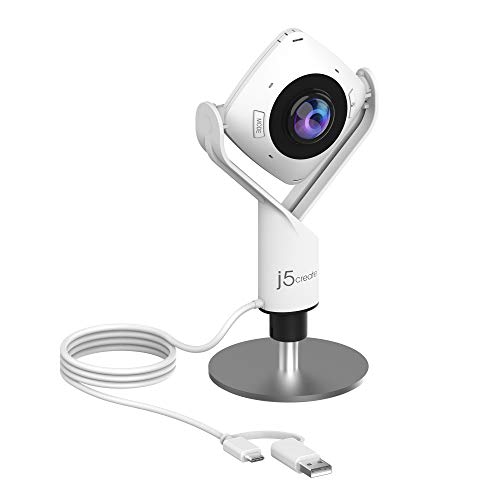
j5create 360 Degree All Around Meeting Webcam – 1080P HD Video Conference Camera with High Fidelity Microphone, USB-C | for Video Conferencing, Online Classes, and Collaboration (JVCU360)
360° video conferencing camera with built in ominidirectional microphone
As an affiliate, we earn on qualifying purchases.
As an affiliate, we earn on qualifying purchases.
Conclusion
Remember, negotiating a remote work arrangement is like planting a seed—you need patience, care, and the right timing. Nurture your request with confidence, and watch it grow into a fruitful opportunity. Stay open to the conversation, and don’t be discouraged by setbacks; every obstacle is just a storm passing through. With persistence and clarity, you’ll find your remote work dream blooming into reality, transforming your daily routine into a garden of endless possibilities.

Criss Cross Legged Meditation Chair, Exquisite Home Office Furniture, Ergonomic Kneeling Chair with Lumbar Support and Adjustable Height Stool, for ADHD Adults
【For Your Happiness】The cross legged office chair is ideal for those who like to sit in different positions.Teddy…
As an affiliate, we earn on qualifying purchases.
As an affiliate, we earn on qualifying purchases.

Effective Project Management: Traditional, Agile, Extreme, Hybrid
As an affiliate, we earn on qualifying purchases.
As an affiliate, we earn on qualifying purchases.