

To manage a remote team effectively and keep everyone engaged, establish clear communication protocols, using the right tools for updates and meetings. Foster a strong team culture through regular bonding activities, recognition, and inclusivity. Set measurable goals, track progress with dashboards, and encourage autonomy so team members feel trusted. Prioritize their well-being with flexible schedules and support, creating an environment of trust and motivation. Continuing with these strategies will help you build a highly engaged and cohesive remote team.

Get comfort and recovery gear delivered free — and shop member deals
- Fast, free delivery on millions of items
- Access to Prime Big Deal Days deals on October 6–7
- Prime Video, Amazon Music and more included
Key Takeaways
- Establish clear communication protocols and utilize appropriate tools to ensure transparency and reduce misunderstandings.
- Foster an inclusive team culture through regular virtual activities, recognition, and open dialogue.
- Set specific goals, track progress with dashboards, and provide ongoing feedback to maintain motivation and accountability.
- Promote autonomy by defining objectives, avoiding micromanagement, and supporting personal development.
- Prioritize team well-being with flexible schedules, mental health resources, and regular check-ins to boost engagement and morale.
high quality video conferencing camera
As an affiliate, we earn on qualifying purchases.
As an affiliate, we earn on qualifying purchases.
Establish Clear Communication Channels and Expectations

To guarantee your remote team stays aligned and productive, you need to establish clear communication channels and set expectations from the start. Creating structured communication protocols ensures everyone knows how and when to share updates, ask questions, or escalate issues. Incorporate a virtual watercooler to foster informal interactions, helping team members build rapport and stay connected beyond work tasks. Clearly outline which tools to use for different purposes—such as Slack for quick messages or video calls for meetings—to prevent confusion. Set expectations around response times and meeting attendance, so everyone understands their responsibilities. Regularly revisit these protocols to adapt as your team grows. When communication is transparent and consistent, your remote team will work more cohesively and stay engaged. Additionally, understanding the importance of clear audio and visual quality can significantly improve virtual interactions and reduce misunderstandings. Utilizing smart communication tools that ensure high-quality audio and video can further enhance clarity and collaboration during virtual meetings. Maintaining consistent messaging across all channels is essential to avoid miscommunications and keep everyone informed. Moreover, implementing feedback mechanisms allows team members to voice concerns and suggest improvements, fostering ongoing engagement and trust. Being aware of network stability can also help prevent disruptions during important virtual discussions.
As an affiliate, we earn on qualifying purchases.
Foster a Strong Team Culture and Connection

Building a strong team culture in a remote setting requires intentional effort to foster connection and shared values. You can achieve this through regular virtual team building activities that promote collaboration and camaraderie. These activities help break down barriers and create a sense of belonging. Prioritize cultural inclusivity by recognizing and respecting diverse backgrounds, ensuring everyone feels valued and understood. Encourage open conversations about different perspectives and experiences, which strengthens trust and cohesion. Celebrate team successes collectively, reinforcing shared goals. Keep communication genuine and transparent, emphasizing your commitment to a positive, inclusive environment. Incorporating elements of Free Floating can enhance the natural flow of interactions and foster a relaxed, authentic atmosphere among team members. This approach can also contribute to butter the overall morale of your team, promoting a positive and productive remote work environment. Additionally, implementing trust-building exercises can significantly improve collaboration and confidence within the team. Recognizing the importance of consistent communication helps maintain clarity and alignment despite physical distance. Engaging in regular feedback sessions can further support continuous improvement and mutual understanding. By intentionally cultivating these elements, you create a resilient team culture that thrives despite physical distance. This foundation keeps your team engaged, motivated, and aligned with your organization’s core values.
virtual team building activities kit
As an affiliate, we earn on qualifying purchases.
As an affiliate, we earn on qualifying purchases.
Set Measurable Goals and Track Progress
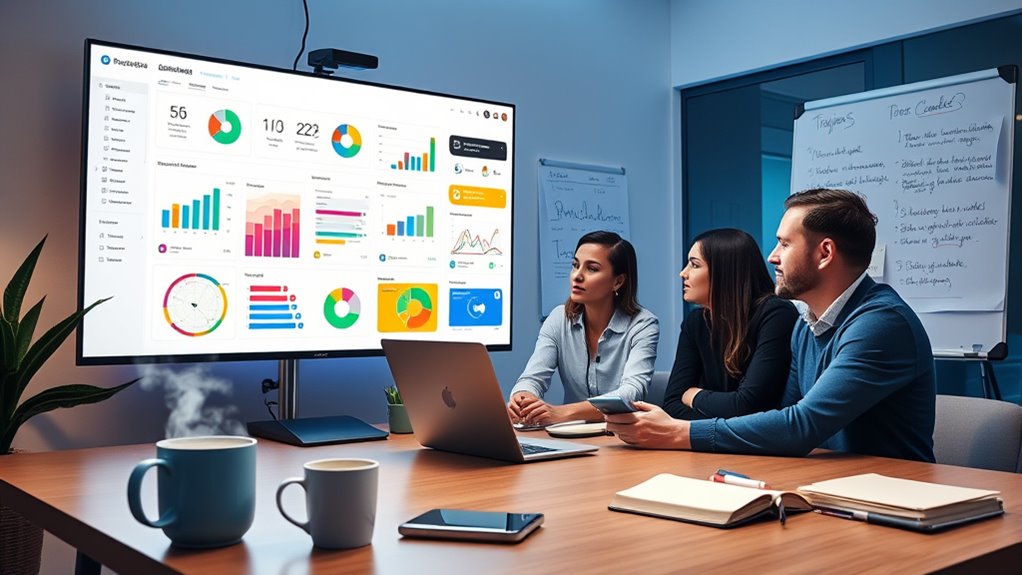
Setting clear, measurable goals is essential for guiding your remote team’s efforts and ensuring everyone stays aligned. When you define specific performance metrics, you create a clear roadmap for success. Regular progress tracking helps identify areas needing improvement and keeps momentum high. Use tools like dashboards to visualize progress and hold team members accountable. Additionally, establishing transparent communication channels encourages ongoing feedback and collaboration. Here’s an example of how to set goals:
| Goal | Performance Metric | Deadline |
|---|---|---|
| Increase sales by 15% | Monthly sales figures | End of Q2 |
| Improve customer satisfaction | Survey scores | Monthly review |
| Launch new feature | Completion milestones | End of month |
This approach keeps everyone focused, motivated, and aware of their contributions toward shared success. Emphasizing European cloud innovation can further enhance your team’s capabilities by leveraging advanced, energy-efficient cloud solutions. Incorporating remote team engagement strategies can also significantly boost productivity and morale across dispersed teams.
noise cancelling headphones for meetings
As an affiliate, we earn on qualifying purchases.
As an affiliate, we earn on qualifying purchases.
Encourage Autonomy and Trust
Fostering autonomy and trust within your remote team empowers members to take ownership of their work and make decisions confidently. When you trust your team, you encourage them to be proactive and responsible. To do this effectively: 1. Clearly define objectives but allow flexibility in how tasks are completed. 2. Encourage open communication so team members feel comfortable sharing ideas and concerns. 3. Recognize achievements to build mutual respect and reinforce autonomous decision-making. 4. Avoid micromanaging; instead, provide support and guidance when needed. Emphasizing the importance of indoor gardening and creative plant displays can also inspire team members to develop innovative solutions and foster a collaborative environment. Additionally, understanding study techniques and exam preparation can enhance team productivity and engagement by promoting continuous learning and skill development. Exploring sound healing science concepts may also promote relaxation and mental clarity among team members, contributing to a healthier remote work environment. Incorporating mindfulness practices can further support mental well-being and focus, strengthening overall team cohesion. Incorporating an understanding of biography and personal stories can also foster empathy and stronger interpersonal connections within the team.
Promote Well-being and Work-Life Balance

Prioritizing well-being and work-life balance is essential for maintaining a healthy and productive remote team. When you promote mental health awareness, you create an environment where team members feel supported and valued. Encourage flexible scheduling so employees can adapt their work hours to fit personal needs, reducing stress and preventing burnout. Recognizing that everyone’s situation is different, and offering options for adjusting workloads or taking breaks helps maintain motivation. Regular check-ins can also help you gauge mental health and address concerns early. Additionally, understanding vetted vacuum cleaners can serve as a metaphor for choosing the right tools to support your team’s needs and well-being. By fostering an atmosphere that values balance and understanding, you empower your team to stay engaged, resilient, and committed to their work, ultimately boosting overall productivity and satisfaction. Incorporating mental health resources into your support system further reinforces your commitment to your team’s overall wellness. Building a culture of empathy and understanding can significantly improve team cohesion and morale, making it easier to navigate challenges together. Being aware of employee engagement strategies can also help you identify effective ways to keep your team motivated and connected. Recognizing the importance of appropriate tools and resources can help streamline processes and reduce unnecessary stress for team members.
Frequently Asked Questions
How Can Remote Teams Handle Conflicts Effectively?
To handle conflicts effectively in your remote team, focus on virtual conflict resolution by addressing issues promptly and openly. Use emotional intelligence to understand team members’ perspectives and foster empathy. Encourage honest communication and active listening during virtual meetings, and stay neutral to mediate disputes fairly. By creating a safe space for dialogue and practicing emotional awareness, you help resolve conflicts efficiently and maintain a positive, collaborative remote work environment.
What Tools Improve Real-Time Collaboration?
When it comes to real-time collaboration, you need tools that keep everyone on the same page. Virtual whiteboards allow your team to brainstorm visually and share ideas instantly, while instant messaging keeps communication quick and clear. These tools bridge the distance gap, making teamwork seamless. By leveraging them, you turn a scattered team into a well-oiled machine, ensuring projects move forward smoothly and everyone stays engaged.
How Do I Onboard New Remote Employees Successfully?
To onboard new remote employees successfully, you should prioritize virtual onboarding that’s engaging and thorough. Address onboarding challenges by providing clear instructions, virtual meet-and-greets, and easy access to resources. Use video calls to introduce team members and set expectations early. Regular check-ins help them adapt and feel connected. By making onboarding interactive and supportive, you guarantee new hires integrate smoothly and feel confident in their roles from the start.
What Are Signs of Burnout in Remote Workers?
Burnout whispers softly through emotional exhaustion and a disrupted work-life balance, like a shadow lurking behind your team’s productivity. You’ll notice signs such as constant fatigue, irritability, decreased motivation, and withdrawal from team interactions. When remote workers struggle to disconnect or seem overwhelmed, it’s a clear warning. Stay attentive, encourage regular breaks, and promote boundaries to prevent burnout from creeping in and affecting your team’s well-being and performance.
How Can Managers Recognize Individual Team Member Achievements?
You can recognize individual team member achievements by implementing recognition strategies like public shout-outs or personalized feedback. Pay attention to their specific contributions and celebrate milestones, whether big or small. Use personalized feedback to show you value their unique skills and efforts. Regularly acknowledging their work boosts morale, encourages continued engagement, and helps team members feel genuinely appreciated for their dedication and accomplishments.
Conclusion
By implementing these strategies, you’ll create a remote team that’s as cohesive as a well-oiled machine. Clear communication, trust, and genuine connection act as the glue holding everyone together, even across distances. Remember, your leadership can turn a scattered group into a thriving community. Keep nurturing engagement and balance, and you’ll see your team flourish like a garden in full bloom—vibrant, resilient, and ready to grow.
Fall Picks
fall essentials
As an affiliate, we earn on qualifying purchases.