
To create a strong start to every work session, begin by setting clear, achievable goals to give your work purpose. Organize your environment by minimizing distractions like notifications and closing irrelevant tabs. Tackle high-priority or challenging tasks first when your energy peaks. Use a structured plan with smaller steps and time blocks, and regularly check your progress. By establishing routines such as goal reviews, you’ll foster focus and momentum—keep exploring these strategies for sustained success.
Key Takeaways
- Begin with your most important or challenging task to capitalize on peak energy levels.
- Set clear, achievable goals to provide direction and purpose for the session.
- Create a focused environment by minimizing distractions and turning off notifications.
- Break larger tasks into smaller steps with specific time blocks for better manageability.
- Start with routines like goal review or mindfulness to promote focus and readiness.

Starting your work session on the right foot sets the tone for productivity and focus. To do this effectively, you need to harness the power of proper planning right from the start. Time management is your best ally here, helping you allocate your energy efficiently and avoid wasting precious minutes on unimportant tasks. Before diving into work, take a moment to set clear, achievable goals for the session. When you know exactly what you want to accomplish, you can direct your attention more deliberately, making your efforts more focused and effective. Goal setting isn’t just about listing tasks; it’s about defining specific outcomes that give your session purpose, whether it’s completing a report, responding to key emails, or brainstorming ideas for an upcoming project.
Starting with clear goals boosts focus and makes your work session more productive and purposeful.
Once you’ve established your goals, create a quick roadmap of how you’ll tackle them. Break larger tasks into smaller, manageable steps, and assign realistic time blocks for each. This structured approach prevents overwhelm and keeps you on track. Using a timer or a task management app can boost your time management skills by providing visual cues and deadlines, so you stay accountable and avoid drifting into distractions. When your work session begins, start with the most important or challenging task first—often called “eating the frog.” This ensures you tackle your peak energy period on your highest priority, reducing the likelihood of procrastination and stress later.
In addition, minimize distractions from the moment you start. Turn off notifications, close unnecessary tabs, or find a quiet space if possible. A focused environment combined with a clear plan helps you dive right into work without wasting time figuring out what to do next. It’s also helpful to establish a routine—perhaps a quick five-minute review of your goals or a brief mindfulness exercise—to mentally prepare yourself for the session ahead. This ritual can boost your motivation and reinforce your commitment to your goals. Incorporating proper content knowledge about your tasks and environment can further enhance your focus and efficiency.
Throughout your work session, keep checking in with your progress. If you’re falling behind schedule, adjust your approach rather than abandoning your plan altogether. Remember, effective time management and goal setting are ongoing processes; the more intentional you are at the outset, the more productive your session will be. By starting with a clear plan, a focused mindset, and a disciplined approach, you set yourself up for success, making every work session not just productive but also satisfying and rewarding.

Rotating Pomodoro Timer 5/25/10/50, Desk Productivity Flip Timer, ADHD Tool
- Real Pomodoro Timer: Preset 5 and 25-minute work sessions
- Rotating Gravity Sensor: Flip to start, stop, or reset timer
- Multiple Preset Durations: Includes 5, 10, 25, 50-minute options
As an affiliate, we earn on qualifying purchases.
As an affiliate, we earn on qualifying purchases.
Frequently Asked Questions
What Are the Best Tools to Boost Focus at Work?
You can boost focus at work by using tools like noise-canceling headphones to minimize distractions and apps that block distracting sites. Incorporate mindfulness techniques, such as deep breathing or short meditation breaks, to clear your mind. Make sure your ergonomic setup is comfortable, with proper chair and monitor positioning, to reduce physical strain. These tools and techniques help you stay attentive, energized, and ready to tackle your tasks efficiently.
How Can I Prevent Distractions During My Work Start?
To prevent distractions at your work start, you need to act quickly. Begin with mindful breathing to center yourself and clear your mind. Then, set environmental cues—such as turning off notifications or closing unrelated tabs—that signal it’s time to focus. These small but powerful steps create a distraction-free zone, sharpening your attention and setting a productive tone for the entire session. Don’t wait—your focused work starts now.
What Time of Day Is Ideal for Beginning Work Sessions?
You should start work during your peak energy times, often in the morning when your morning energy is highest. This helps you focus and accomplish more early on. If mornings aren’t ideal, consider aligning with your evening routines, when you’re relaxed and less distracted. Experiment to find when you feel most alert and productive, then set that as your ideal work start time for maximum results.
How Do I Adjust Routines for Different Types of Tasks?
You adapt your routines like a chameleon changes colors to match its environment, ensuring each task starts smoothly. For different tasks, prioritize them by urgency and complexity, then customize your routine accordingly—deep focus for complex projects, quick checks for routine updates. This task prioritization and routine customization help you optimize your energy and focus, making every work session more effective and less overwhelming, no matter the task at hand.
What Habits Improve Long-Term Productivity?
You can boost long-term productivity by practicing mindful planning and clear goal setting. When you start your day, take a moment to prioritize tasks and set achievable goals, which helps maintain focus. Regularly reviewing your progress keeps you aligned with your objectives. Developing habits like daily reflection and adjusting plans as needed guarantees continuous growth. These practices foster consistency, reduce overwhelm, and help you stay motivated over the long haul.
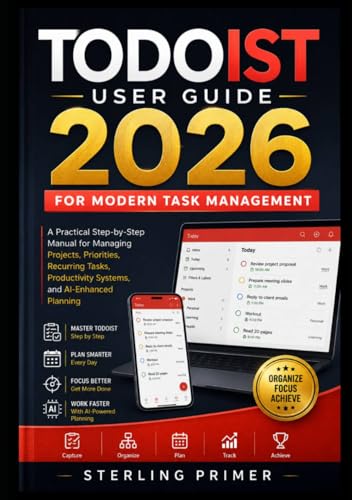
Todoist User Guide 2026 for Modern Task Management: A Practical Step-by-Step Manual for Managing Projects, Priorities, Recurring Tasks, Productivity Systems, and AI-Enhanced Planning
As an affiliate, we earn on qualifying purchases.
As an affiliate, we earn on qualifying purchases.
Conclusion
So, there you have it—by starting strong, you set the tone for a productive session. Ironically, the biggest secret isn’t some fancy trick but simply showing up with a plan. It’s almost funny how often we overlook the obvious while chasing elusive shortcuts. Remember, a solid start doesn’t guarantee success, but it sure as heck makes failure less likely. Now go on, prove that your best work begins right at the very beginning!

Hybrid Active Noise Cancelling Bluetooth 6.0 Headphones 120H Long Playtime, 6 ENC Mic, Over Ear Headphones Wireless, Hi-Res Audio, Memory Foam Earcup, Transparency Mode ANC Headphone for Travel Office
- Noise Reduction: Up to 45dB hybrid ANC
- Sound Quality: Hi-Res audio with 40mm drivers
- Long Battery Life: Up to 120 hours playtime
As an affiliate, we earn on qualifying purchases.
As an affiliate, we earn on qualifying purchases.

Marbrasse 6 Tier Paper Organizer Letter Tray – Mesh Desk File Organizer with Handle, Paper Sorter Organizer for Letter/A4 Office File Folder Holder – Black
- Portable Handle Design: Easy to move and position
- Multi-Purpose Storage: Holds letters, papers, books, bills
- Durable Mesh Construction: Lightweight, sturdy metal mesh
As an affiliate, we earn on qualifying purchases.
As an affiliate, we earn on qualifying purchases.